Cultural Things to Do in Thailand: 10 Soulful Experiences for 2026
- Travel
 Neelam Rawat
- 0
- 23 minutes read
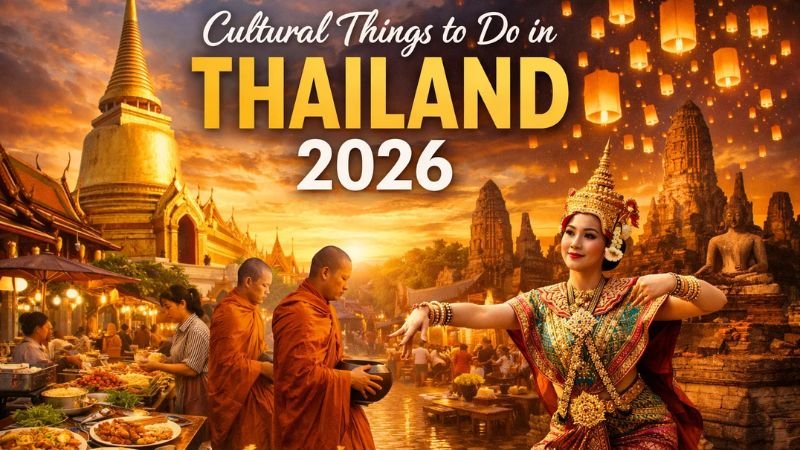
If you’re planning a trip to the Land of Smiles and looking for the most meaningful cultural things to do in Thailand, 2026 is the perfect time to visit. The loud, neon-soaked tourism of the past decade is taking a backseat. Instead, the Kingdom is leaning into “The New Thailand”, a movement that values “Value over Volume.” This means that the most rewarded travelers this year are those who slow down to find authentic Thai experiences rather than just snapping a photo at a temple and moving on.
Whether you’re building an itinerary around the best places to visit in Thailand or planning downtime at the best beaches in Thailand, weaving cultural experiences into your trip will transform how you see the country. From the misty mountains of the north to the spiritual heartlands of the northeast, here is a curated list of the best cultural things to do in Thailand in 2026 that will help you connect with the locals on a level that feels real and beautiful.
Best Cultural Things to Do in Thailand for Authentic Travel (2026 Guide)
If you want more than temples and tourist photos, these cultural and authentic Thai experiences offer a deeper look into everyday Thai life, traditions, and community values. Each activity below helps you understand the country beyond guidebooks.
1. The Morning Alms (Tak Bat): A Lesson in Humility
Every single morning, as the sun begins to creep over the horizon, thousands of monks in saffron robes emerge from their temples. They walk barefoot through the streets, carrying metal bowls. This isn’t a parade or a show for tourists; it is a sacred daily exchange called Tak Bat. Participating in this is one of the most grounding cultural things to do in Thailand.
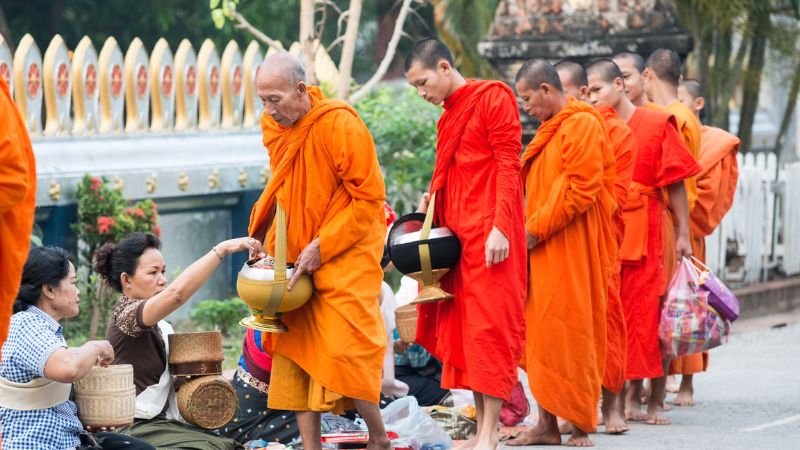
To do it right, you should head to a local market around 5:30 AM to buy small packets of fresh rice, fruit, or even incense. When the monks pass, remove your shoes, kneel or bow your head, and gently place the food in their bowl. There is no “thank you” exchanged—the monk is giving you the opportunity to make “merit,” and you are supporting the temple. It’s a silent, powerful reminder of the Theravada Buddhism rituals that keep the Thai community together.
2. Exploring “Mu-Telu” and the Power of Shrines
In 2026, the trend of “Mu-Telu” (spiritual tourism) exploded among locals. It’s a fascinating mix of ancient animism and modern Buddhist faith. While the Grand Palace is a masterpiece, the real pulse of Thailand cultural travel 2026 is found at the smaller, “powerful” shrines tucked away in shopping malls or at the base of old banyan trees.
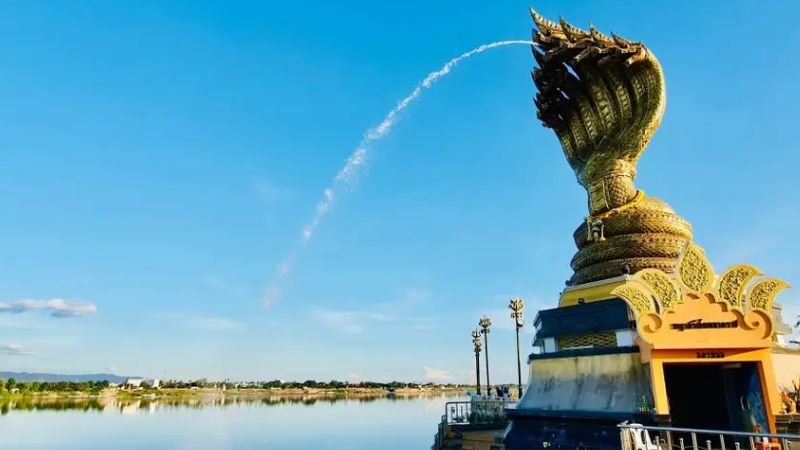
Visit the Erawan Shrine in Bangkok or the Ganesh Shrine at Huai Khwang at night. You’ll see people from all walks of life—from high-flying CEOs to street food vendors—offering red Fanta and marigolds to the gods. Witnessing this raw devotion is an eye-opener. It shows you that in Thailand, the spiritual world isn’t something separate from daily life; it’s baked into every decision. This is one of those authentic Thai experiences that doesn’t cost a dime but stays with you forever.
3. Slow Living in Mae Kampong: Lanna Heritage
If the chaos of the city gets to be too much, take a bus or a van into the mountains of Chiang Mai. The village of Mae Kampong is a poster child for sustainable cultural tourism Thailand. Here, the villagers have kept their wooden homes and their way of life intact despite the world changing around them.
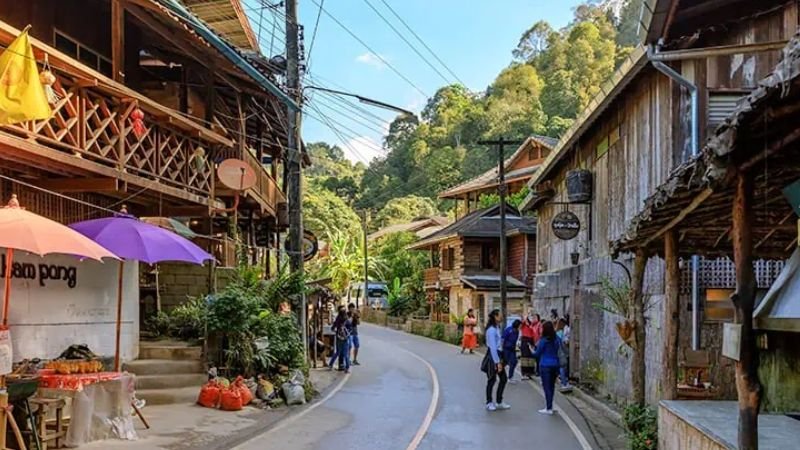
The Lanna culture Chiang Mai is famous for is on full display here. You can spend a morning learning how to make fermented tea leaves (Miang) or just sitting by a waterfall with a cup of locally grown coffee. Staying in a homestay here means eating what the family eats—northern specialties like Khao Soi or spicy Nam Prik Ong. It’s a high-value experience because it forces you to match the village’s rhythm. It’s one of the best cultural things to do in Thailand for anyone who needs a digital detox.
4. The Sacred Art of Muay Thai: More Than a Fight
Muay Thai is often called the “Art of Eight Limbs,” but to call it just a sport is to miss the point. In 2026, many traditional camps are focusing on the Muay Thai cultural significance rather than just the combat.
Before any fight, the boxer performs the Wai Kru Ram Muay. This is a rhythmic dance that pays respect to their teacher, their family, and the spirits of the ring. If you can find a gym that offers a workshop on the Wai Kru, take it. You’ll learn about the Mongkhon (the sacred headband) and the spiritual protection rituals fighters use. Understanding the discipline and gratitude behind the sport makes watching a live match at Rajadamnern Stadium much more meaningful. It’s one of those traditional Thai culture activities that proves strength comes from respect.
5. Ancient Echoes in the Sukhothai Historical Park
Among the most powerful historical experiences is cycling through Sukhothai Historical Park. While Ayutthaya is closer to Bangkok, Sukhothai is where the Thai soul was born. This UNESCO World Heritage site is a sprawling park of ruins, lotus ponds, and massive stone Buddhas. In 2026, the Sukhothai Historical Park is pushing for “Green Travel,” so the best way to see it is by bicycle.
Pedaling through the ruins of Wat Mahathat as the sun sets is one of the most peaceful cultural things to do in Thailand. You can see the evolution of Thai art in the “walking Buddha” statues, which have a grace and fluidity you won’t find anywhere else. Among the best cultural places to visit in Thailand, Sukhothai feels the most like a time machine. It’s quiet, it’s grand, and it demands your full attention.
6. Culinary Traditions: The Heart of the Isan Region
Thai food is world-famous, but in 2026, travelers are looking beyond the Pad Thai. To get a real taste of the country, you have to look at the Isan region culture of the Northeast. The food here is bold, spicy, and unapologetic.
Take a cooking class that focuses on Som Tum (papaya salad) and Laab (minced meat salad). You’ll learn that in Isan, food is a communal affair. Everyone sits on a mat on the floor, sharing baskets of sticky rice. The use of fermented fish sauce (Pla Ra) is a skill that takes years to master. This is one of those authentic Thai experiences that hits all your senses at once. It’s spicy, it’s pungent, and it’s incredibly social.
7. Heritage and Hues in Phuket Old Town
Forget the beach clubs for a day and walk the streets of Phuket Old Town. The colorful shophouses are a blend of Chinese, Malay, and European styles—a culture known as “Peranakan.”
In 2026, the Old Town has become a hub for young Thai artists who are reviving traditional Thai culture activities like batik printing and gold-smithing. You can walk into a century-old pharmacy and see herbs being ground by hand, then go next door to a modern gallery. This mix of old and new is what makes cultural things to do in Thailand so exciting. It’s a living, breathing history that isn’t trapped behind glass.
8. Silk Weaving and Soft Power in Surin
Silk is one of Thailand’s most famous exports, but seeing how it’s made in a village like Ban Tha Sawang is a different story. The sustainable cultural tourism Thailand movement is helping these weaving villages stay alive by connecting them directly with travelers.
You’ll see how the silk threads are dyed using natural ingredients like tree bark and berries. The sound of the wooden looms clacking in the heat is a rhythm that has stayed the same for centuries. Buying a scarf directly from the woman who spent a month weaving it is a powerful way to support local heritage. It’s a high-value way to participate in traditional Thai culture activities while taking home something truly unique.
9. The Rituals of Songkran 2026: More Than Water
Songkran (the Thai New Year) is often seen as a giant water fight. But in 2026, there’s a massive cultural push to show the world the Rod Nam Dam Hua side of the festival. This involves pouring scented water onto the palms of elders to ask for their blessing.
If you are in Thailand in April, look for the local temple ceremonies. You’ll see people building sand pagodas and decorating them with colorful flags. This is one of the most beautiful cultural things to do in Thailand. It’s about renewal, family, and letting go of the old year’s bad luck. It’s much more intimate than the splashing on the streets and gives you a real look at the Thai concept of “merit.”
10. The Yi Peng Lantern Festival: A Sky Full of Wishes
In November, the sky over Chiang Mai turns into a sea of floating lights. While it’s a social media dream, the Yi Peng festival is deeply spiritual. It marks the end of the rainy season and is a time for people to “release” their misfortunes into the sky.
In 2026, the festival has become much more regulated to ensure it’s part of sustainable cultural tourism Thailand. Using biodegradable lanterns and participating in organized community releases makes the experience feel much more intentional. Standing in a field with thousands of others, watching your lantern join the “Milky Way” of lights, is a moment of pure magic. It’s an essential part of Thailand cultural travel 2026.
Respectful Travel: A Human Guide to Etiquette
To truly enjoy these cultural things to do in Thailand, you need to know the “unwritten” rules. Here is a quick guide on how to respect Thai culture as a tourist:
- The “Wai”: This is the prayer-like gesture used for greetings. You don’t need to do it to everyone, but doing it back when someone “Wais” you is a sign of good manners.
- Temple Etiquette: Always, always cover your shoulders and knees. Taking your shoes off before entering a temple or a home isn’t optional—it’s the law of the land.
- The Head and Feet: Never touch a Thai person on the head; it’s the most sacred part of the body. Don’t point your feet at people or Buddha statues, as feet are seen as “low.”
- Stay Green: Use the Thailand Digital Arrival Card system to check for eco-friendly transport options and “Community-Based Tourism” spots.
Conclusion: Why Culture is the Future of Thailand
As we move through 2026, the travelers who get the most out of their trip are the ones who don’t just look, but listen. Whether you are sweating over a spicy Isan curry or sitting in silence during a morning alms ceremony, these 10 cultural things to do in Thailand are your gateway to the real Kingdom.
“The New Thailand” isn’t about luxury hotels; it’s about luxury experiences—the kind that come from a deep respect for a culture that has survived and thrived for centuries. Thailand is ready to show you its soul. Are you ready to see it?
FAQ: Cultural Travel in Thailand
The best cultural things to do in Thailand include joining morning alms ceremonies, exploring local shrines, visiting historical parks like Sukhothai, learning Muay Thai traditions, and experiencing regional food culture in places like Isan and Chiang Mai.
Yes. Thailand offers one of the richest cultural travel experiences in Asia. From Buddhist rituals and festivals to village homestays and heritage towns, travelers can experience both traditional and modern Thai culture in meaningful ways.
Authentic Thai culture can be experienced in local markets, temples, rural villages, and heritage towns such as Chiang Mai, Sukhothai, and Phuket Old Town. Community-based tourism villages and cooking classes also provide deeper cultural immersion.
November to February offers the best weather for cultural travel. Festivals like Yi Peng (lantern festival) and Songkran (Thai New Year in April) are especially meaningful times to experience Thai traditions and local customs.
Dress modestly at temples, remove shoes when required, return the wai greeting, avoid touching people’s heads, and support local communities by choosing homestays, local markets, and sustainable tours.
Last Updated on: July 15, 2026