El Corte Inglés vs Traditional Markets in Spain – Which Shopping Experience Actually Wins?
- Lifestyle
 Editorial Team
- 0
- 10 minutes read
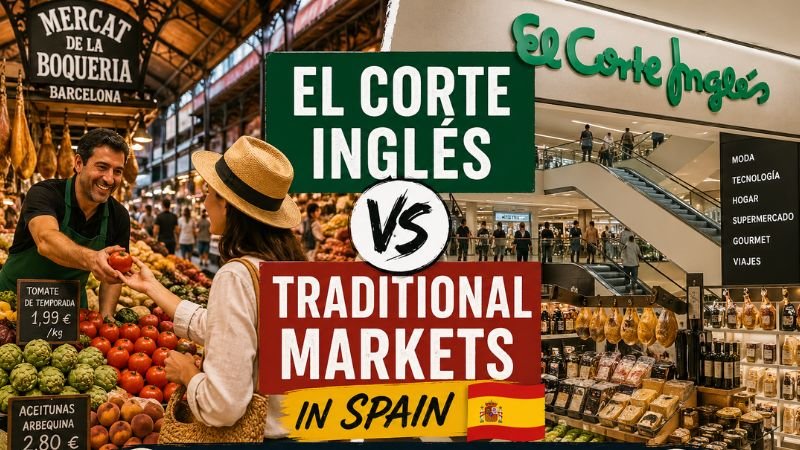
Spain has two faces when it comes to shopping. One is polished, air-conditioned, and stocked floor-to-ceiling with everything from designer perfume to a holiday package. The other smells of fresh bread, echoes with vendor conversation, and hands you a tomato that was picked the same morning.
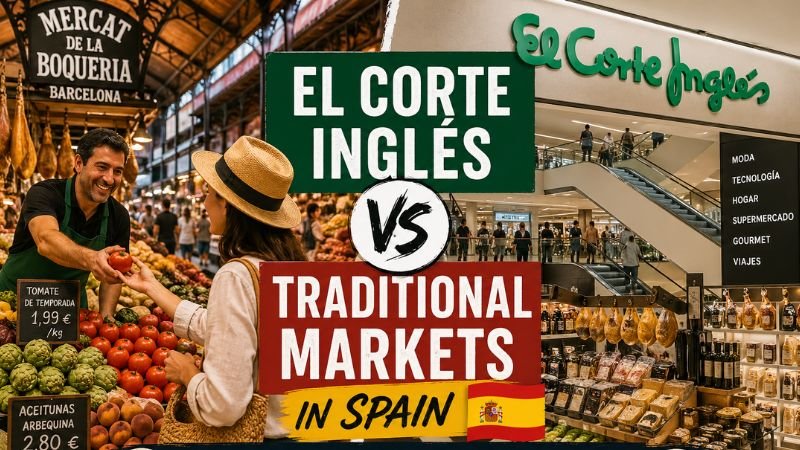
Both are valid. Both are genuinely Spanish. But they are not the same experience, and depending on what you’re after, one will serve you significantly better than the other. Here’s a clear-eyed look at El Corte Inglés shopping experiences versus traditional markets in Spain, so you can decide where your time and money actually belong.
What El Corte Inglés Shopping Experiences Actually Look Like
El Corte Inglés is not just a department store. It is, for many Spaniards, a weekly institution. Walk into any of its flagship locations in Madrid, Barcelona, Seville, or Valencia, and the scale hits you immediately – fashion floors, a supermarket, an electronics section, a travel agency, a restaurant, and a gourmet food hall, all under one roof.
- The El Corte Inglés shopping experience is built around convenience and reliability. Sizes are consistent, return policies are straightforward, loyalty cards accumulate real savings, and the staff are trained. If you need a specific brand, a guaranteed quality level, or you’re shopping on a tight schedule, this is where traditional shopping in Spain takes its most organised form.
- The gourmet supermarket on the basement floor deserves its own mention. Iberico ham, regional cheeses, fresh seafood, and premium olive oils, it stocks the best of Spanish produce at fair prices, with the consistency you’d expect from a premium retailer. For visitors who want quality Spanish food products without navigating language barriers or haggling, it works well.
The drawback? It is corporate by nature. You are one of thousands of shoppers moving through a system designed for volume. The warmth is professional, not personal.
What Traditional Markets in Spain Offer That No Mall Can
Step into Mercat de la Boqueria in Barcelona, Mercado de San Miguel in Madrid, or Mercado Central in Valencia, and the difference is immediate. Traditional markets in Spain are not just places to buy food, but they are social environments where locals actually live out their daily routines.

- The vendors know their regulars. The fishmonger will tell you which catch came in this morning. The fruit stall owner will give you a taste before you commit. This kind of interaction is the backbone of traditional shopping in Spain, transactional on the surface, but genuinely relational underneath.
- Beyond the famous tourist-facing markets, neighbourhood mercados across Spain still function the way they have for generations. Smaller, less photographed, and far more honest in pricing, these are where local families shop weekly for produce, meat, and fresh bread. The quality is often superior to supermarket equivalents because the supply chain is shorter.
- The atmosphere also carries cultural weight that El Corte Inglés shopping experiences simply cannot replicate. Wandering a Spanish market on a Saturday morning, coffee in hand, listening to vendor banter, that is not a shopping trip. That is participation in Spanish daily life.
- The trade-off is unpredictability. Availability depends on season and supplier. Not every market is tourist-friendly in terms of signage or payment methods. And if you need a specific product consistently, the market may disappoint on a bad stock day.
Price, Convenience & Variety – An Honest Comparison
For everyday groceries and fresh produce, traditional markets in Spain generally win on quality and price, particularly for seasonal fruit, vegetables, fish, and charcuterie. For branded goods, fashion, electronics, and anything requiring a warranty, El Corte Inglés is the rational choice.

Convenience sits firmly with El Corte Inglés – parking, consistent hours, online ordering, and a single-location stop for multiple needs. Traditional shopping in Spain through local markets asks more of you in terms of timing and planning, but rewards that effort with authenticity and often better produce.
If you are visiting Spain for the first time, do both deliberately. Spend a weekday morning at a neighbourhood mercado. Spend an afternoon floor-hopping through El Corte Inglés. You will understand Spanish shopping culture far better than choosing just one.
FAQs
Q1. Are traditional markets in Spain suitable for tourists or mainly for locals?
Both, depending on which market you visit. Famous markets like La Boqueria and Mercado de San Miguel are very tourist-accessible. Neighbourhood markets are quieter, cheaper, and give you a far more authentic look at how traditional shopping in Spain actually works day to day.
Q2. Is El Corte Inglés expensive compared to other stores in Spain?
Mid-to-premium range, yes. El Corte Inglés shopping experiences are positioned above budget retailers but below luxury boutiques. Their loyalty card and seasonal sales, particularly January and summer rebajas, bring pricing down significantly on fashion and home goods.
Q3. Which is better for buying authentic Spanish food products?
For the freshest produce, local traditional markets in Spain are unbeatable. For packaged, premium, and gift-ready Spanish food products with consistent availability, the El Corte Inglés gourmet supermarket is excellent.
Q4. Do traditional markets in Spain accept card payments?
Increasingly yes, though cash is still preferred at many stalls, particularly in smaller neighbourhood mercados. Larger, tourist-facing markets in Madrid and Barcelona are more card-friendly.
Q5. What are the best traditional markets in Spain to visit?
Mercado Central in Valencia, Mercat de la Boqueria in Barcelona, Mercado de San Miguel in Madrid, and Mercado de Triana in Seville are among the most well-known. For a more local traditional shopping in Spain experience, ask hotel staff or locals for the nearest neighbourhood mercado – these are often the real find.
Last Updated on: April 27, 2026