Kaspersky’s Guide to Safe Online Shopping for French Users – Act Now!
- Software
 Editorial Team
- 0
- 23 minutes read

In the heart of the digital age, the French e-commerce landscape has transformed. From the high-fashion boutiques of Paris to the local artisanal shops in Provence, almost everything is a click away. But as we embrace the convenience of the digital marketplace in 2026, a shadow follows. Safe online shopping isn’t just a suggestion anymore; it’s a survival skill. With the rise of sophisticated online shopping scams, staying protected requires more than just a strong password. It requires a mindset of “Safety First.”
This comprehensive guide is designed to empower you with the knowledge and tools required to navigate the modern web securely. We aren’t just talking about basic antivirus protection anymore; we are talking about a holistic approach to cybersecurity France that protects your identity, your finances, and your peace of mind.
The 2026 Threat Landscape: Beyond Simple Scams
To understand why safe online shopping is so critical today, we must first look at the enemy. In 2026, online shopping scams have moved far beyond the poorly translated emails of a decade ago. The state of cybersecurity France is at a crossroads. While the French government has pushed for tighter data protection through the CNIL(National Commission on Informatics and Liberty), hackers are using AI to bypass traditional defenses. We are seeing a massive spike in e-commerce phishing, email,s and texts that look so real they could fool even a tech expert. These messages often claim to be from La Poste or Chronopost, urging you to “Act Now” to receive a package. Clicking that link doesn’t track a package; it grants a fraudster access to your device or your payment details.
When you engage in safe online shopping, your first line of defense is skepticism. You must ask: Is this website safe to buy from? If the deal looks too good to be true, it probably is. The goal of this guide is to move beyond the basics and give you the safe online shopping tips that actually work in today’s high-threat environment.
Why Data Protection is Your Digital Shield
In France, data protection is a fundamental right. But laws like GDPR (General Data Protection Regulation) can only do so much if you voluntarily hand over your information to a fraudulent site. To ensure safe online shopping, you need to be stingy with your personal data.

Many online shopping scams don’t just want your money; they want your identity. They harvest your name, address, and phone number to sell on the dark web. This is where ecommerce cybersecurity becomes personal. By practicing safe online shopping, you are protecting your future financial health.
Essential Checklist: How to Check If a Website Is Safe to Buy From
Before you enter your details, run this quick check:
- Legal Mentions (Mentions Légales): Does the site have a physical address in France or the EU?
- The Padlock Icon: Does the URL start with HTTPS? This is the bare minimum for secure online payments.
- Customer Reviews: Don’t just trust the reviews on the site itself. Search for the store name plus “arnaque” (scam).
Why You Must Act Now
Cybercriminals rely on two things: urgency and habit. They want you to rush through a checkout because of a “limited-time offer” or a “final clearance” on high-end luxury goods. By adopting safe online shopping tips early, you break the cycle of vulnerability. Ecommerce cybersecurity is a proactive game. Waiting until a fraudulent charge appears on your Relevé de Compte is too late. You must act now to secure your digital footprint before the next major sale event, like Black Friday or Les Soldes.
Mastering Credit Card Security for Safe Online Shopping
The heartbeat of every online transaction is your payment method. Consequently, credit card security remains the primary target for malicious actors. While the European Union has implemented Strong Customer Authentication (SCA), hackers have found ways to circumvent these barriers through sophisticated man-in-the-middle attacks.
For a truly safe online shopping experience, you need to treat your credit card information like a physical key to your home. Never store your primary card details on a merchant’s website. Even the biggest retailers can suffer data breaches. If a site is compromised, your “saved” card becomes a gift to a hacker. Instead, leverage the power of virtual cards or one-time payment tokens offered by many French banking apps. This is a fundamental pillar of credit card security: if a card number only works for one transaction, it is useless to a thief.
The Myth of the Padlock Icon
For years, we were told to look for the padlock icon to ensure a secure online payment. In 2026, this is no longer enough. Scammers can easily obtain SSL certificates for their fraudulent domains. While “https” is necessary for a secure internet payment, it only means the connection is encrypted-it doesn’t mean the person on the other end is honest.
To guarantee credit card security, always look for secondary signs of legitimacy:
- Verified French Legal Mentions: Check the Mentions Légales for a SIRET number and a physical address in France.
- Payment Diversity: A site that only accepts wire transfers or cryptocurrency is a major red flag for online shopping scams.
- Kaspersky URL Advisor: Use tools that check the reputation of a domain against a massive database of known threats.
Data Protection: Your Rights and Your Responsibilities
As a consumer in France, you are protected by some of the most robust data protection laws in the world, overseen by the CNIL. However, your rights under GDPR are only your last line of defense. Your first line of defense is “data minimization.”
When you practice safe online shopping, you should only provide the information that is strictly necessary for the transaction. If a website asks for your date of birth, your mother’s maiden name, or your social media handles during checkout for a pair of shoes, walk away. This is a data harvesting operation disguised as a store. Data protection starts with you deciding what is and isn’t for sale.
The Role of Ecommerce Cybersecurity
Modern ecommerce cybersecurity isn’t just about blocking viruses; it’s about protecting the “flow” of your data. This is why using a dedicated, secure browser environment is so beneficial. When you are looking for safe online shopping tips, the most frequent advice is to keep your software updated. Why? Because “zero-day” vulnerabilities in browsers are often the way hackers steal your information without you ever clicking a “bad” link.
Introducing Kaspersky Safe Money: The Ultimate Shield
At Kaspersky, we recognized years ago that traditional antivirus wasn’t enough to handle the complexities of modern banking. This led to the development of Kaspersky Safe Money, which has consistently been rated as the best antivirus for online banking protection.
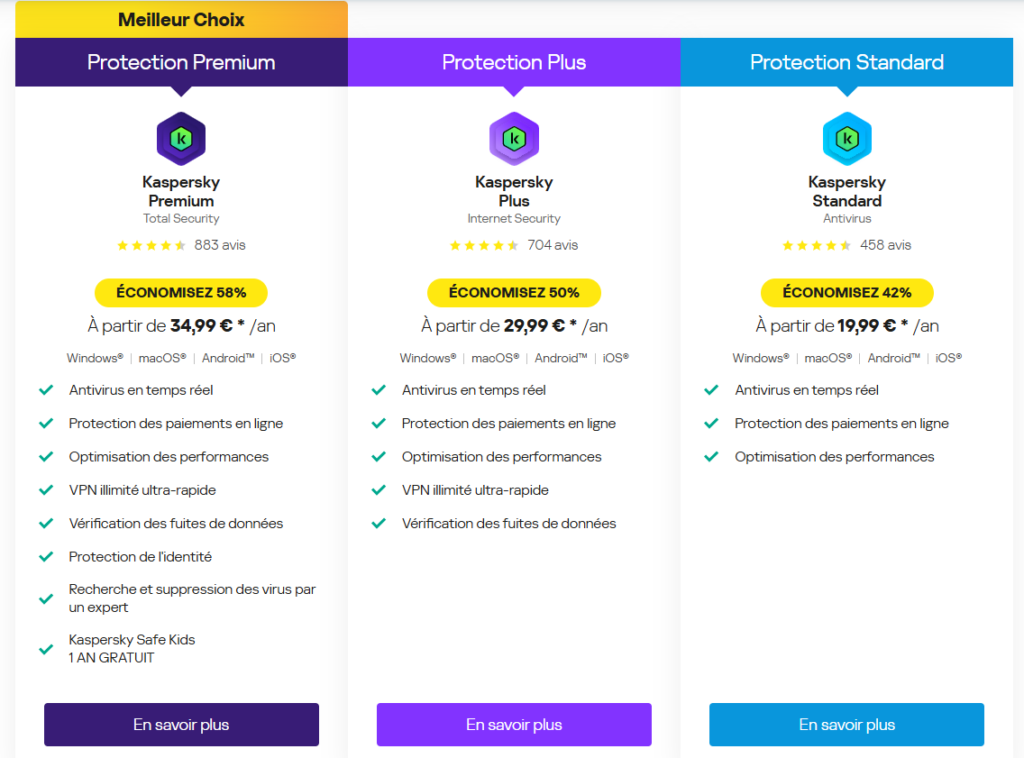
Kaspersky Safe Money works by creating a “Protected Browser” environment the moment you navigate to a banking or shopping site. Here is how it facilitates safe online shopping:
- Anti-Phishing Shield: It automatically checks URLs against a cloud-based list of online shopping scams and e-commerce phishing sites.
- Secure Input: It prevents keyloggers from capturing what you type on your keyboard. This is essential for credit card security.
- Trusted Environment: It ensures that no other programs on your computer can “see” what is happening inside your shopping window, blocking hidden screen-capture tools.
For those who prioritize secure internet payment and want to ensure their data protection is airtight, this technology is a game-changer. It takes the guesswork out of the question, “Is this website safe to buy from?“
Practical Safe Online Shopping Tips for French Users
To hit your goals for safe online shopping every time you open your laptop, integrate these habits into your routine:
- Avoid Public Wi-Fi for Transactions: Never shop while connected to a café’s public network. If you must buy something on the go, use your mobile data or a trusted VPN to ensure a secure online payment.
- Set Up Banking Alerts: Most French banks allow you to receive a push notification for every cent spent. This is the fastest way to detect a breach in credit card security.
- Check the Domain Carefully: Scammers use “Typosquatting”-creating sites like amzon.fr instead of amazon.fr. A quick glance can save you from a major e-commerce phishing trap.
- Use a Dedicated Shopping Email: This keeps your primary inbox clean and makes it easier to spot online shopping scams that might be sent to your personal address.
- Audit Your App Permissions: On your smartphone, ensure shopping apps don’t have access to your contacts or microphone unless absolutely necessary for ecommerce cybersecurity.
- Trust the Professionals: Use the best antivirus for online banking to monitor your system in real-time.
Conclusion: Securing the Future of French E-commerce
The digital world of 2026 offers incredible opportunities, but it demands a higher level of awareness. Safe online shopping is the price of admission for this convenience. By respecting the principles of data protection, staying vigilant against online shopping scams, and utilizing professional tools like Kaspersky Safe Money, you are doing more than just protecting your wallet-you are protecting your digital life.
Whether you are a seasoned pro or a new shopper, remember that cybersecurity France is a team effort. Stay informed, stay skeptical, and always prioritize secure online payments. The threats are evolving, but with the right preparation, you can shop with the confidence that your information is yours and yours alone.
FAQs
1. How can I ensure safe online shopping in France?
To ensure safe online shopping in France, always verify the website’s authenticity, check for HTTPS encryption, read external customer reviews, and avoid deals that seem too good to be true. Using strong passwords, enabling two-factor authentication, and installing reliable cybersecurity software also helps protect your personal and financial data.
2. What are the most common online shopping scams in France?
Common online shopping scams in France include fake delivery messages from services like La Poste or Chronopost, phishing emails offering limited-time deals, counterfeit e-commerce websites, and payment fraud through fake checkout pages. These scams aim to steal credit card details and personal information.
3. How do I check if a website is safe to buy from?
Check if a website is safe by verifying HTTPS in the URL, reviewing legal information like a SIRET number and physical address, searching for customer reviews, and avoiding sites that only accept wire transfers or cryptocurrency. A trusted security tool can also scan the website for threats.
4. Is online shopping safe with a credit card?
Yes, online shopping with a credit card is generally safe if you use secure websites, enable transaction alerts, avoid saving card details on unknown platforms, and use virtual or one-time cards. These practices improve credit card security and reduce fraud risk.
5. What is the safest payment method for online shopping?
The safest payment methods include virtual credit cards, secure payment gateways, and trusted digital wallets that offer buyer protection. Avoid direct bank transfers or cryptocurrency payments on unfamiliar websites, as they are harder to recover if fraud occurs.
6. Should I avoid public Wi-Fi for online shopping?
Yes. Public Wi-Fi networks are often unsecured and can expose your data to hackers. Avoid making payments or entering sensitive information while connected to public networks. If necessary, use mobile data or a secure VPN for safer transactions.
7. How can antivirus software help with secure online shopping?
Advanced antivirus and internet security tools protect against phishing sites, malware, and keyloggers that steal payment details. Features like secure browsers, anti-phishing detection, and real-time monitoring help ensure safe online shopping and secure internet payments.
8. What should I do if I become a victim of an online shopping scam?
If you suspect fraud, immediately contact your bank to block your card, change passwords, report the incident to local cybercrime authorities, and monitor your accounts for suspicious activity. Acting quickly can limit financial loss and protect your identity.
9. How can I protect my personal data while shopping online?
Only share necessary information during checkout, avoid saving card details on multiple websites, use strong, unique passwords, and enable two-factor authentication. Regularly updating your devices and security software also strengthens your data protection.
10. What are the best safe online shopping tips for 2026?
Use verified websites, enable banking alerts, avoid public Wi-Fi payments, check domain spelling carefully, use virtual cards, and install trusted cybersecurity software. Staying alert and proactive is the best way to prevent online shopping scams in 2026.
Last Updated on: March 30, 2026