The Complete Guide to Saving Money on Your Next Holiday
- Travel
 Editorial Team
- 0
- 26 minutes read

Going on holiday does not have to mean spending a huge amount of money. With some planning, smart booking and a little price checking, you can enjoy a great trip while keeping more money in your bank account. Whether you are planning a family trip to France with Brittany Ferries, looking for a cheap flight, or booking a hotel, there are many simple ways to reduce your holiday costs.

The key is to look at the full cost of your holiday, not just the price shown when you first search. Travel dates, transport, luggage, accommodation, food, insurance and activities can all change the final amount you spend. This guide explains some easy ways to plan a cheaper holiday without making your trip less enjoyable.
1. Set Your Holiday Budget First
Before you book anything, decide how much you can afford to spend. A clear budget makes it easier to avoid costly decisions later.
Write down the main parts of your trip:
- Travel to and from your destination
- Hotel or other accommodation
- Food and drinks
- Travel insurance
- Local transport
- Attractions and activities
- Shopping and other spending
- Emergency money
It is also a good idea to keep a small extra amount for unexpected costs. This can help if your transport changes, you need to buy something important or prices are higher than expected.
2. Choose Your Travel Dates Carefully
The date you travel can make a big difference to the price of your holiday. School holidays, bank holidays and popular summer weekends are often busy times for travel.
If you can be flexible, check prices for several dates before booking. Travelling a few days earlier or later may give you more choices and could reduce the cost.
You should also compare different departure times. An early morning or late evening journey may sometimes cost less than a popular daytime option.
3. Book Transport Early
Leaving your travel booking until the last minute can limit your choices. Popular flights, trains and ferries can become more expensive or have fewer spaces available.
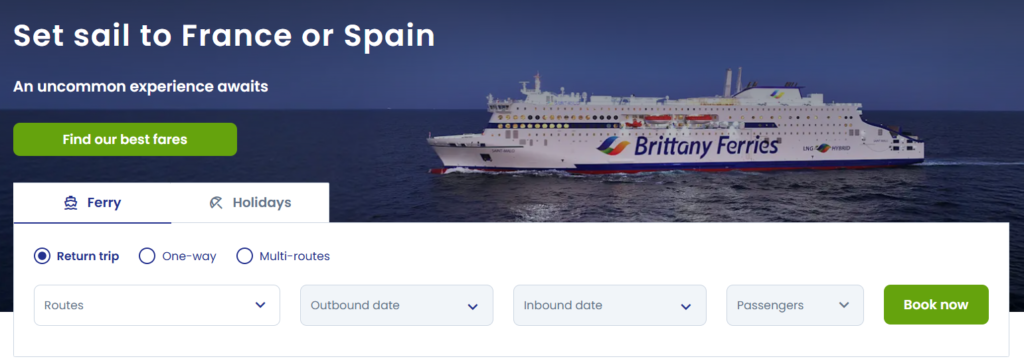
For example, Brittany Ferries offers crossings between the UK and destinations in France and Spain. Its website provides different routes and sailing times, so comparing the available options can help you choose a journey that suits your budget.
Brittany Ferries also states that its Early Bird fare is designed to offer its cheapest fare when you book early and are confident that your plans will not change. However, prices can vary, so it is still worth checking the available fares before booking.
4. Compare Different Ways to Travel
Do not assume that flying is always the cheapest choice. Depending on where you are going, a ferry, train or coach may offer better value.
When comparing transport, look at the total price.
For example, a flight may look cheap at first but could cost more after adding:
- Checked luggage
- Seat selection
- Airport transfers
- Parking
- Food
- Other booking fees
A ferry can also be useful for people who want to take their own car. This can remove the need to hire a car after reaching your destination.
The cheapest option is not always the one with the lowest starting price. Look at the complete journey before making your decision.
5. Look Beyond the Main Holiday Price
A holiday deal may look attractive because of its headline price, but there can be other costs.
Before booking, check what is included. Ask yourself:
- Is luggage included?
- Is breakfast included?
- Are airport or port transfers needed?
- Is parking included?
- Are taxes included?
- Will I need to pay for seat selection?
- Are there booking or service fees?
- What happens if I need to change my booking?
This simple check can stop a cheap-looking holiday from becoming an expensive one.
6. Compare Hotels Before Booking
Accommodation can be one of the biggest costs of a holiday.
Instead of booking the first hotel you find, compare several options in the same area. Look at the total price for your whole stay and check what you get for the money.
A hotel that costs slightly more but includes breakfast and free parking may be better value than a cheaper room with extra charges.
You can also consider apartments, holiday cottages, guesthouses and other accommodation types. If you are travelling with family or friends, a larger property may sometimes work out cheaper per person.
7. Travel With a Simple Packing Plan
Packing carefully can help you avoid extra spending during your holiday.
Make a list before you leave and take things you know you will need. This can include suitable clothes, toiletries, chargers, medication and other daily essentials.

If your transport provider charges for extra luggage, avoid taking more bags than you need. Check the baggage rules before travelling so you do not face an unexpected charge at the airport, station or port.
For ferry travel, check the current travel information and requirements before leaving home. Brittany Ferries provides journey planning information, timetables and travel advice for passengers.
8. Save Money on Food
Eating out for every meal can quickly increase your holiday spending.
You do not have to avoid restaurants completely. Instead, mix eating out with cheaper options.
For example:
- Have breakfast at your accommodation.
- Buy snacks from a local supermarket.
- Carry a reusable water bottle where suitable.
- Look for local lunch deals.
- Choose restaurants away from the busiest tourist areas.
- Plan some meals before you leave.
If you are staying somewhere with a kitchen, preparing some of your own meals can save even more money.
9. Plan Your Activities Before You Go
Popular tourist attractions can be expensive, especially when travelling as a family.
Make a list of the places you really want to visit and check their prices before travelling. Some attractions offer cheaper online tickets, family tickets or discounts on certain days.

Also look for free things to do. Parks, beaches, walking routes, museums and local markets can provide enjoyable experiences without a large entrance fee.
You do not need to pay for an activity every day to have a good holiday.
10. Get Travel Insurance
Saving money does not mean skipping travel insurance.
The UK Foreign, Commonwealth & Development Office recommends getting suitable travel insurance when travelling abroad. It also advises travellers to check what their policy covers, including medical treatment, cancellation and other unexpected costs.
A cheap policy is not always the best policy. Read the main conditions and check that the cover matches your trip.
For example, if you are planning activities such as skiing or water sports, check that they are covered.
Travel insurance can feel like an extra cost, but the right cover could protect you from much larger bills if something goes wrong.
11. Check Your Travel Documents
Before leaving the UK, check that your passport and other required documents are valid for your destination.
The FCDO recommends checking the latest travel advice, entry requirements and other destination information before travelling.
Doing this early can help you avoid expensive last-minute changes.
Keep copies of important travel information too. Store them safely online and, where useful, carry a paper copy.
12. Look for Genuine Deals and Discounts
Before paying, check whether there is a valid discount, special offer or package price available.
You can look at:
- Travel company offers
- Hotel promotions
- Attraction discounts
- Off-season prices
- Family tickets
- Loyalty schemes
- Cashback offers
- Valid coupon codes
However, do not buy something simply because it has a discount. A 20% discount on something you do not need is still money spent.

The best saving is finding the right product or service at a good total price.
13. Keep Track of Your Holiday Spending
It is easy to spend more than planned once you arrive.
Set a daily spending limit for things such as food, drinks, shopping and entertainment. You can keep a simple note on your phone to track your spending.
If you spend less one day, you may have more room in your budget for a special meal or activity later.
This is especially useful for family holidays, where small purchases can quickly add up.
14. Do Not Sacrifice Important Things Just to Save Money
Saving money is useful, but the cheapest option is not always the best choice.
Avoid cutting costs on things that protect your safety, health or comfort.
For example, do not skip suitable travel insurance just to save a few pounds. Likewise, check the cancellation rules before choosing a very cheap non-flexible ticket.
A good holiday budget should balance price, quality and peace of mind.
A Simple Holiday Saving Checklist
| Area | Simple way to save |
| Transport | Compare different dates and travel options |
| Accommodation | Compare the full price, not just the room rate |
| Food | Mix restaurants with supermarket meals |
| Activities | Look for free attractions and online discounts |
| Luggage | Pack carefully to avoid extra charges |
| Insurance | Compare cover as well as price |
| Shopping | Set a spending limit |
| Booking | Check offers before paying |
Final Thoughts
A cheaper holiday does not have to be a worse holiday. The biggest savings often come from simple decisions made before you travel. Compare transport, choose your dates carefully, check the full cost of accommodation, plan your food and activities, and look for genuine discounts.
If you are travelling from the UK to France or Spain, comparing ferry routes can also be useful. Brittany Ferries has UK departure ports including Portsmouth, Poole and Plymouth, with routes to destinations in France and northern Spain.
Most importantly, give yourself enough time to plan. Booking early where it makes sense, checking the small print and keeping track of your spending can help you enjoy your holiday without coming home to a large bill.
Frequently Asked Questions
1. What is the easiest way to save money on a holiday?
Start by setting a budget and comparing transport, accommodation and activity prices before booking.
2. Is it cheaper to book a holiday early?
Booking early can give you more choice and may offer better prices, but this is not guaranteed. Compare prices before making a decision.
3. Can travelling by ferry save money?
It can, depending on your destination and travel plans. Compare the full cost of ferry travel with flights, including luggage, transfers and car hire.
4. Should I buy travel insurance?
Yes. The FCDO recommends suitable travel insurance for overseas trips. Check that your policy covers your destination and planned activities.
5. How can I reduce food costs on holiday?
Mix eating at restaurants with cheaper options such as supermarket food, simple breakfasts and self-catering meals.
6. How can I avoid spending too much while abroad?
Set a daily spending limit, plan your activities in advance and keep track of your spending throughout the trip.
Last Updated on: August 27, 2026


