Ferry vs Flying to France: Is the Ferry Actually Cheaper (and Better) With a Car?
- Travel
 Editorial Team
- 0
- 23 minutes read

The flight looks cheaper the moment you see the headline fare. A £39 flight to France can look like a bargain – until you add baggage, airport transfers and a hire car. If you’re travelling with your own car, the comparison changes completely. Instead of paying for a flight and then hiring another vehicle at the other end, a car ferry lets you take the car you already own and pack it for the trip.
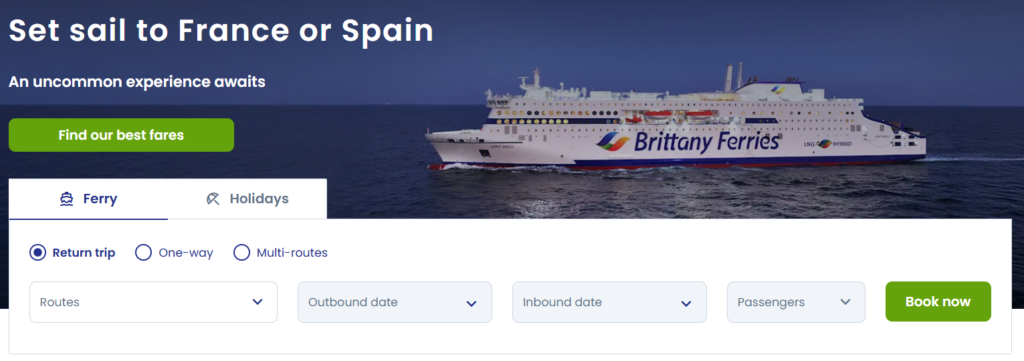
Companies such as Brittany Ferries offer car ferry routes between the UK and France, giving travellers the option to take their own vehicle rather than arrange a hire car after landing. This can also make longer family trips or holidays with more luggage easier to manage.
The honest answer to ferry vs flying to France with a car isn’t “one always wins”—it’s that flying’s headline price rarely survives contact with the actual costs of having a car once you land. For travellers who want to take their own vehicle, comparing the full cost of a ferry crossing with the total flight, transfer and car-hire costs can give a much clearer picture.

Ferry vs Flying to France – The Quick Answer
If you’re bringing your own car, the ferry usually wins on total cost, and it isn’t close once you add up what flying with a hire car actually involves. Ferries are cheaper if you’re traveling with a car, luggage, or family, while flights can undercut them for solo travelers – but that gap closes fast once baggage fees and airport transport get added to the flight side of the ledger. The ferry vs flying to France with a car comparison specifically almost always tilts toward the ferry, because flying with a car means paying for two separate things – the flight and the hire car – while the ferry fare already includes your own vehicle.
The Real Cost of Flying to France With a Car
Here’s what the flight-and-hire-car route actually costs once every line item is counted. A budget flight fare rarely includes checked luggage, and a family of four checking bags for a week-long trip can add £100-200 to the “cheap” flight before anyone’s left the airport. Add car hire (typically £40-80 per day in France depending on season and vehicle size), and a week’s hire alone can run £280-560. Then there’s the airport parking or transfer to get to the departure airport in the first place, plus the fact that a hired car means no familiar vehicle, no fitted child seats without an extra rental fee, and mileage or fuel-return conditions that catch people out at drop-off.

Add it together for a family of four over a week and the “cheap flight” route regularly lands well north of £600-800 once car hire and baggage are factored in – before a single meal or hotel night is booked.
The Real Cost of Taking the Ferry With Your Own Car
Now compare that to driving your own car onto a ferry. Recent 2026 pricing data puts the average cost per kilometre for a family of four with a car at roughly €1.60, with some routes running as low as €0.83 per km in shoulder season. Crucially, that fare already includes the car – no separate hire cost, no mileage limits, no returning it with a full tank by a specific time.
Longer western routes, like Portsmouth to Caen, Plymouth to Roscoff, Portsmouth to Santander, run higher per ticket than a short Dover-Calais hop, simply because the crossing itself is longer, sometimes overnight with a cabin included. For travellers heading towards Normandy, Brittany or further south, a direct western route can also reduce the amount of driving required after reaching France. That can mean less fuel, fewer motorway hours and a more relaxed start to the holiday.
The other cost that rarely makes it into a flight-vs-ferry comparison: your own car already has your child seats fitted, your own insurance, your own familiarity behind the wheel, and no drop-off inspection charging you for a scratch you didn’t cause.
Ferry vs Flying to France: A Real Cost Comparison
| Cost | Flying + car hire | Ferry + own car |
| Transport to France | Flight | Ferry |
| Car | Daily hire cost | Your own car |
| Checked luggage | Potential additional fee | Pack in your car |
| Airport/port transfer | Often required | Drive directly to port |
| Car mileage restrictions | May apply | No rental mileage limit |
| Familiar vehicle | No | Yes |
| Pet travel | More complicated | Pet-friendly ferry options |
| Overnight travel | Usually hotel/flight timing dependent | Available on selected routes |
What Is the Cheapest Way to Get to France With a Car?
For travellers taking their own car, a ferry can be cost-effective because the transport price covers the vehicle as part of the booking, rather than requiring a separate hire car after landing. Actual costs vary by travel date, passenger numbers, vehicle, route, baggage, car-hire provider and availability. Always compare the complete journey rather than the headline flight fare.
When Flying Can Still Be Cheaper
To be fair to flying, it’s not always the wrong call. For a solo traveler or a couple heading somewhere far from the Channel coast (the south of France, the Alps, the Côte d’Azur), flying genuinely can be the faster and cheaper option, especially without a car to bring along. If you’re not driving, don’t need a car at your destination, and you’re traveling light, a direct flight with hand luggage only can beat a ferry-plus-long-drive on both time and total cost.
Flying also wins outright on speed for time-poor travelers who need to be somewhere specific fast, since even the shortest ferry crossing plus onward driving takes hours longer than a 60-90 minute flight.
When Taking the Ferry Makes More Sense
- For everyone else (families, anyone bringing a car, anyone traveling with pets, or anyone heading to Brittany, Normandy, or northern Spain specifically), the ferry can also offer a more relaxed travel experience.
- Taking your own car gives you much more freedom to pack than flying, without airline baggage allowances determining what you can bring.
- Brittany Ferries offers pet-friendly travel on its routes, with pets able to travel in your vehicle and, on selected sailings, in dedicated pet-friendly cabins or kennels.
- Routes like Brittany Ferries’ Portsmouth to Caen, Plymouth to Roscoff, or Portsmouth to Santander turn the crossing itself into part of the trip – restaurants, lounges, and overnight cabins mean you arrive rested rather than airport-drained, and you step off the ferry with your own car already loaded and ready to drive straight to your destination.
Which Brittany Ferries Route Should You Choose?
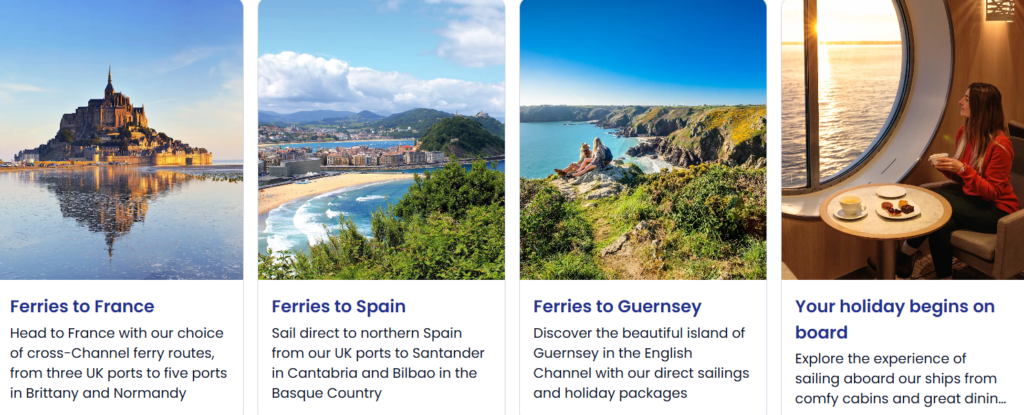
The official Brittany Ferries network currently includes routes from Portsmouth, Poole and Plymouth to French ports including Caen, Cherbourg, Le Havre, St Malo and Roscoff. It also operates routes to northern Spain including Santander and Bilbao.
| Brittany Ferries route | Best for |
| Portsmouth → Caen | Normandy, Paris and northern France |
| Portsmouth → Cherbourg | Normandy and onward driving |
| Portsmouth → Le Havre | Normandy and northern France |
| Portsmouth → St Malo | Brittany and western France |
| Poole → Cherbourg | Normandy and western France |
| Plymouth → Roscoff | Brittany and western France |
Not sure which route works for your trip? Compare Brittany Ferries routes, departure ports and sailing options to find a crossing that fits your destination and travel dates.
Ferry vs flying to France: Final Thoughts
Ferry vs flying to France isn’t a universal contest; it depends entirely on whether a car is coming with you. For families bringing their own car, travellers with lots to pack, and people heading directly to Brittany or Normandy, a ferry can offer a particularly practical alternative to flying and hiring a car. The ferry wins on cost, comfort, and convenience almost every time – and it’s worth comparing current fares on routes like Portsmouth-Caen or Plymouth-Santander before assuming the flight is automatically the cheaper option.
Compare Brittany Ferries Routes to France
Ready to compare your options? Explore Brittany Ferries’ routes to France, check available crossings and find the sailing that works for your destination and travel dates.
FAQs
It depends on your route, travel dates and the number of passengers, but taking your own car by ferry can be cost-effective because you don’t need to pay separately for a hire car after landing. When comparing prices, include flights, baggage, airport transfers and car hire rather than comparing ferry fares with the flight headline price alone.
Ferry prices vary according to the route, travel date, number of passengers and vehicle. Check the current fare for your chosen Brittany Ferries route to see the price for your specific journey.
It can be a practical option for travellers heading far from the ferry ports or those who don’t need to take their own vehicle. For families or travellers carrying a lot of luggage, however, it’s worth comparing the full cost of flights, baggage and car hire against a ferry crossing with your own car.
For families travelling with their own car, a ferry can make the journey simpler by combining the crossing and vehicle transport in one booking. You can also pack your car without relying on standard airline baggage allowances, and Brittany Ferries offers pet-friendly travel on selected arrangements.
When you book a ferry crossing with your vehicle, the vehicle is included in the booking rather than requiring a separate car-hire agreement after you arrive in France. The exact fare depends on the route, date, vehicle, and passengers.
Last Updated on: September 16, 2026