Kaspersky Cybersecurity Tips Every Portuguese Citizen Should Know in 2026


Portugal’s internet landscape has changed dramatically. More people are banking online, shopping from home, and working remotely than ever before. But here’s the problem: cybercriminals have noticed this shift too, and they’re taking full advantage of it.

You don’t need to be a tech expert to fall victim to online scams. In fact, everyday users are often the main targets. The good news? Staying safe doesn’t require advanced technical skills. Following basic Kaspersky cybersecurity tips can make a world of difference in protecting your money, personal information, and digital life. This guide breaks down practical Kaspersky cybersecurity tips for Portuguese citizens that anyone can start using today.
Why Cyber Security Matters More Than Ever in Portugal
The Current Cyber Threat Landscape in Portugal
Portugal is one of the fastest-growing digital economies in Europe. Online banking, e-commerce, digital government services, and remote work are now part of daily life. That convenience also attracts cybercriminals and increases the risk of cyber threats in Portugal.
Hackers go where people are active. And right now, Portuguese users are very active online. As the country has embraced digital services, it’s become a more attractive target for criminals looking to make easy money.
Rising Digital Adoption Across Portugal
Walk into any café in Lisbon or Porto, and you’ll see people managing their bank accounts on smartphones, ordering products online, and accessing work documents remotely. Over 60% of Portuguese citizens now use online banking regularly. E-commerce has exploded, especially since the pandemic pushed everyone toward digital solutions.
This digital boom is great for convenience, but it’s opened new doors for criminals and cyber threats in Portugal. Every online transaction, every saved password, every piece of personal data stored in the cloud represents a potential entry point for attackers. That’s why understanding Kaspersky cybersecurity tips isn’t optional anymore; it’s essential.
Why Portugal Is a Target for Cybercriminals
Attackers love Portugal for a few specific reasons. First, the rapid digital growth means many users haven’t had time to develop strong security habits. Second, scammers create Portuguese-language content that looks completely legitimate—fake emails from CGD, fraudulent CTT delivery notices, bogus tax authority messages. These locally-tailored attacks fool even cautious people. That makes phishing attacks in Portugal especially common.
The truth is, cyber threats in Portugal exploit trust. When you see a message in perfect Portuguese claiming to be from your bank, your guard naturally drops. That’s exactly what criminals count on.
Common Cyber Threats in Portugal You Should Know About
Knowing the enemy makes it easier to stay safe. Let us look at the most common cyber threats affecting Portuguese citizens today.
Phishing Attacks in Portugal
Phishing attacks in Portugal are the biggest threat right now. Remember when scam emails were full of spelling mistakes and looked obviously fake? Those days are gone. Modern phishing messages look identical to real bank communications, complete with official logos and convincing language.

Here’s how it typically works: You get an email or SMS claiming there’s a problem with your account. Maybe it says suspicious activity was detected, or a payment failed, or you need to verify your identity. There’s always urgency—”Act now or your account will be locked!” The message includes a link that takes you to a website that looks exactly like your bank’s login page. You enter your credentials, and boom—criminals now have access to your real account.
Phishing attacks in Portugal specifically target major banks like Millennium BCP, Santander Totta, and Novo Banco. They also impersonate CTT with fake package delivery notices. Learning to recognize these scams is one of the most important Kaspersky cybersecurity tips you’ll use regularly.
Online Banking and Financial Fraud
Your bank account is obviously a prime target. Criminals use multiple tactics to steal money directly. Some install keylogger software that records every keystroke you make, capturing passwords and account numbers. Others create fake banking apps that look legitimate but are designed purely to steal credentials.
There’s also a growing problem with SIM swapping, where attackers convince mobile providers to transfer your number to their device. Once they control your phone number, they can bypass two-factor authentication and access your accounts.
Malware and Ransomware Risks
Malware comes in many forms. Some quietly steal information in the background. Others lock your entire computer and demand payment to unlock it—that’s ransomware. Portuguese businesses and individuals have both been hit hard by ransomware attacks that encrypt valuable files and family photos.
The scary part? You can get infected just by visiting a compromised website or downloading what looks like a legitimate document. Following proper Kaspersky cybersecurity tips for downloads and browsing can prevent most of these infections.
Public Wi-Fi and Mobile Threats
Free Wi-Fi at your favorite cafe or the airport is convenient, but it’s also dangerous. Attackers can easily intercept data sent over unsecured public networks. They can see what websites you visit, capture login credentials, and even inject malware.
Your smartphone faces unique risks, too. Fake apps in unofficial stores can access your camera, microphone, and personal data without you knowing. These represent serious cyber threats in Portugal that many people completely overlook.
Kaspersky Cyber Security Tips for Portuguese Citizens
Let’s get into specific actions you can take right now to protect yourself from cyber threats in Portugal.
Protect Your Devices with Reliable Security Software
You wouldn’t leave your front door unlocked, right? Think of security software the same way—it’s your first line of defense. Kaspersky Internet Security in Portugal blocks threats before they can cause damage. It scans downloads, checks email attachments, and warns you about dangerous websites automatically.
Free antivirus programs exist, but they typically offer basic protection at best. Kaspersky Internet Security in Portugal provides comprehensive coverage, including ransomware protection, secure payment tools, and privacy features that free versions simply don’t include. The cost is minimal compared to what you’d lose in a serious attack.
Use Strong and Unique Passwords Everywhere
Most people use terrible passwords. “123456” or their birth year or their dog’s name. Worse, they use the same password for everything. When one account gets breached, suddenly everything is compromised.
Strong passwords should have at least 12 characters mixing upper and lowercase letters, numbers, and symbols. They shouldn’t contain personal information that someone could guess or find on social media. And every account needs its own unique password.
Why Password Managers Are a Smart Choice
“But how am I supposed to remember 50 different complex passwords?” You’re not. That’s what password managers are for. These tools create and store unique passwords for every account you have. You only need to remember one master password. Most password managers also alert you when your credentials appear in data breaches, which is incredibly useful. This ranks among the top Kaspersky cybersecurity tips for managing modern digital life.
Spot and Avoid Phishing Scams
Recognizing phishing requires a bit of detective work. Always check the sender’s email address carefully. Look for spelling errors. Avoid clicking links in messages that pressure you to act fast. Legitimate banks don’t send messages demanding immediate action or threatening account closure. When in doubt, call your bank directly using the number on their official website or your bank card—never use contact info from a suspicious email. These Kaspersky cybersecurity tips can save you from the vast majority of phishing attacks in Portugal.
Secure Your Online Banking and Payments
Banking online requires extra caution. Always verify you’re on the real website by checking for HTTPS and the padlock icon in your browser. Never access your bank account through public Wi-Fi unless you’re using a VPN.
Turn on every security feature your bank offers. Most now provide two-factor authentication, transaction alerts, and spending limits. Use them all. Set up notifications so you get an immediate alert for every transaction. That way, if someone does access your account, you’ll know within minutes instead of weeks.
Consider using a dedicated device for banking if possible. Don’t use the same computer where your kids download games or you click random links. This might sound paranoid, but it’s one of those Kaspersky cybersecurity tips that professionals actually follow themselves.
Safe Internet Habits Every Portuguese User Should Follow
Cybersecurity is not only about software. It is also about smart habits to keep yourself safe from cyber threats.
Be Careful on Social Media
Social media oversharing creates serious problems. When you post your full birthdate, your address, your mother’s maiden name, and photos from vacation showing you’re away from home, you’re handing criminals everything they need for identity theft or targeted attacks.
Review your privacy settings. Do you really need your posts visible to everyone, or just friends? Be skeptical of friend requests from people you don’t know. Scammers create fake profiles to gather information or spread malware through messages.
Think Before You Click or Download
Most frauds happen because someone clicked on something they shouldn’t have. Before clicking any link, ask yourself: Does this make sense? Did I expect this message? Is this from a trusted source?
Only download apps from official stores like Google Play or the App Store. Third-party app repositories are full of malware disguised as legitimate software. Read reviews and check developer information before installing anything new. These simple Kaspersky cybersecurity tips prevent countless threats.
Keep Your Software and Systems Updated
Updates aren’t just about new features. Most updates patch security vulnerabilities that hackers actively exploit. When you ignore that update notification, you’re leaving known security holes open.
Enable automatic updates wherever possible. For critical security patches, install them immediately. This is possibly the easiest and most effective of all cyber safety tips for Portuguese citizens; it takes almost no effort but provides massive protection.
Why Kaspersky Internet Security in Portugal Is a Smart Choice
Choosing the right security software matters. Here’s what makes Kaspersky stand out.
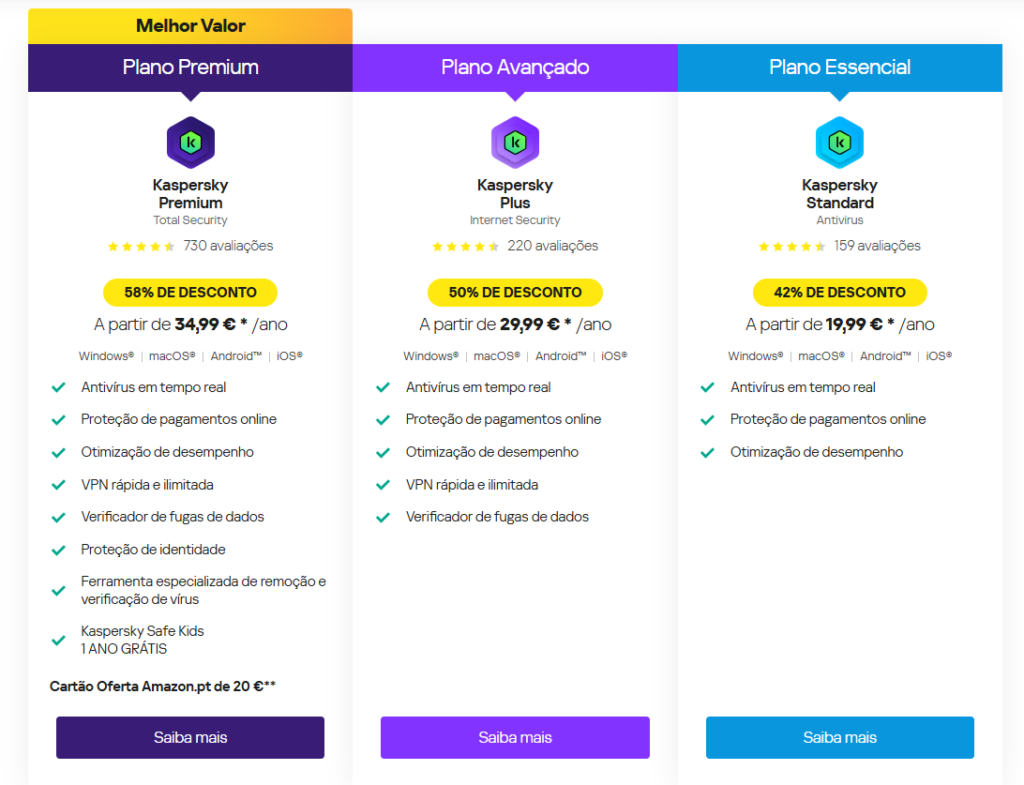
Real-Time Threat Detection
Kaspersky doesn’t just scan files you download but it monitors everything happening on your device in real time. It uses artificial intelligence to spot suspicious behavior patterns, catching brand-new threats that haven’t been seen before. This proactive approach stops attacks before damage occurs.
Protection Against Local and Global Cyber Threats
Cyber threats in Portugal often come from global networks. Kaspersky’s global network monitors cyber threats worldwide while maintaining awareness of specific attacks targeting Portugal. You get protection against both international cybercrime operations and those Portuguese-language phishing attacks in Portugal designed specifically to fool local users.
Easy to Use for Everyday Users
Despite powerful features, Kaspersky Internet Security in Portugal doesn’t require technical expertise. The interface is straightforward, showing your protection status clearly. Most security decisions happen automatically in the background. You’re protected without needing to understand complex settings or configurations.
Cyber Safety Tips for Portuguese Families and Seniors
Different groups face different challenges and need tailored approaches. Families and seniors need extra care.
Protecting Children Online
Kids need special protection online. Use parental control features to restrict inappropriate content and monitor what they’re accessing. Teach them never to share personal information, click suspicious links, or arrange meetings with online contacts.
Set clear rules about internet use—which sites are okay, how much screen time is allowed, and what to do if something scary or confusing happens online. Keep computers in shared family spaces rather than bedrooms so you can supervise naturally. Combining education with technological controls gives kids the protection they need.
Helping Seniors Stay Safe on the Internet
Older adults often get targeted by scammers with fake calls or emails, exploiting their unfamiliarity with technology. Help the seniors by setting up security software, enabling automatic updates, and configuring privacy settings properly.
Explain common scams in clear, simple terms. Tell them it’s okay to ask questions about anything suspicious. Create an environment where they feel comfortable checking before acting on unexpected emails or messages. These cyber safety tips for Portuguese citizens in older age groups can prevent heartbreaking financial losses.
What To Do If You Become a Victim of a Cyber Attack
Even careful people sometimes get caught. Quick action limits the damage.
Immediate Steps to Take
If you think your account was compromised, change passwords immediately—not just for that account, but for any other accounts using the same password. Contact your bank right away if financial accounts are involved. They can freeze cards and monitor for fraudulent charges.
Run a full antivirus scan on all your devices. Disconnect infected computers from your network to prevent the spread. Document everything—take screenshots of suspicious messages, note when you first noticed problems, and record what actions you’ve taken. This information helps both investigators and your own recovery process.
Reporting Cybercrime in Portugal
Report attacks to the Polícia Judiciária, which handles serious cybercrime cases. The Centro Nacional de Cibersegurança also provides guidance and support. If banking fraud occurred, contact your bank’s fraud department immediately.
Filing reports helps authorities track cyber threats in Portugal and potentially catch criminals. This helps protect others and improves national cyber defense. It also creates an official record that may be necessary for insurance claims or fraud recovery.
Conclusion
Cyber threats in Portugal are getting worse as more of our lives move online. But you’re not helpless. Following these Kaspersky cybersecurity tips gives you real, practical protection against the most common attacks targeting Portuguese citizens.
Start today. Install Kaspersky Internet Security in Portugal. Change those weak passwords. Enable two-factor authentication. Teach your family about phishing attacks in Portugal. These steps take maybe an hour total, but they’ll protect you for years.
Security isn’t complicated or expensive. It just requires a bit of awareness and some basic precautions. The Kaspersky cybersecurity tips for Portuguese citizens outlined here work for everyone—from tech-savvy professionals to seniors just learning to email. Take action now, before you become another statistic. Your digital safety is worth it.
Frequently Asked Questions
The most common cyber threats in Portugal in 2026 include phishing attacks targeting banking credentials, ransomware encrypting personal files, identity theft through data breaches, and online shopping scams. Mobile malware and social media account takeovers have also increased as more Portuguese citizens rely on smartphones and digital services.
Personal data can be protected by following proven cyber safety tips for Portuguese citizens, including using strong, unique passwords, enabling two-factor authentication, keeping software updated, using VPNs on public Wi-Fi, and avoiding oversharing personal information online. Monitoring accounts regularly helps detect breaches early.
Free antivirus software offers basic protection, but it is usually not enough against modern cyber threats in Portugal. Paid solutions like Kaspersky Internet Security in Portugal provide advanced protection against phishing attacks, ransomware, unsafe websites, and identity theft, making them a safer long-term choice.
Victims of phishing scams in Portugal should immediately change compromised passwords, contact banks to secure accounts, scan devices using Kaspersky cybersecurity tools, report the incident to local authorities or the National Cybersecurity Centre, and monitor financial activity for fraud.
Public Wi-Fi networks in Portugal are not fully safe, as attackers can intercept unencrypted data. When using public networks, connect through a VPN, avoid accessing sensitive accounts, and rely on trusted security software like Kaspersky Internet Security for added protection.
Last Updated on: March 30, 2026