10 Cultural Things to Do in Dubai in 2026: A Comprehensive Guide
- Travel
 Neelam Rawat
- 0
- 65 minutes read
The most meaningful cultural things to do in Dubai don’t announce themselves loudly. Instead, the city’s authentic soul waits patiently for you to slow down and notice it. Rather than performing for you, it reveals itself quietly. Moreover, these cultural experiences offer more than just entertainment—for example, they show how Emirati culture in Dubai developed over time through survival, trade, faith, and adaptation. Additionally, by slowing down, you can truly appreciate this quiet evolution.
For example, the real cultural experiences in Dubai aren’t packed into neat tourist spots. Instead, they come alive in old neighbourhoods across the creek, in family kitchens, art warehouses, and casual chats that happen without any plan. Additionally, this guide isn’t about rushing to see everything quickly. Rather, it aims to help you grasp something deeper. So, for travellers who love cultural trips in Dubai, these experiences therefore offer true insight instead of just flashy shows.
If you’re visiting for the first time, returning with fresh curiosity, or travelling slowly on purpose, these authentic Emirati experiences will give you valuable context, not just surface-level content. Unlike the glittering modern attractions, the cultural places to visit in Dubai reveal the city’s true character—one shaped by trade, tradition, and adaptation to one of the world’s harshest climates.
Quick Guide to Dubai Cultural Experiences
| Activity | Time Needed | Cost Range | Best For |
| Al Fahidi Historical District | 2-3 hours | Free | History lovers |
| Dubai Creek Abra Ride | 15-30 mins | 1-2 AED | Budget travelers |
| Sheikh Mohammed Cultural Centre | 2-3 hours | 50-85 AED | Cultural immersion |
| Traditional Souks | 2-4 hours | Variable | Shopping & culture |
| Small Heritage Museums | 1-2 hours each | 3-10 AED | Detail-oriented visitors |
| Emirati Food Experience | 2-3 hours | 100-300 AED | Food enthusiasts |
| Alserkal Avenue | 2-4 hours | Free-50 AED | Art lovers |
| Cultural Festivals | 3-6 hours | Free | Seasonal visitors |
| Desert Bedouin Experience | 4-6 hours | 250-600 AED | Adventure seekers |
| Arabic Calligraphy Workshop | 2-3 hours | 150-300 AED | Hands-on learners |
If you’re planning a balanced trip, then check out the 20 Best Places to Visit in Dubai (Top Attractions & Travel Guide). This way, you can mix these cultural gems with Dubai’s iconic landmarks. And after that, dive deeper here before exploring more.
1. Walk Through Al Fahidi Historical District: One of the Most Important Historic Sites in Dubai
Location: Al Fahidi Street, Bur Dubai (Near Al Fahidi Metro Station)
Opening Hours: 24/7 (museums within: Saturday-Thursday 8 am-8 pm, Friday 2:30 pm-8 pm)
Cost: Free to walk; individual museums 3-5 AED
Time Needed: 2-3 hours for a thorough visit
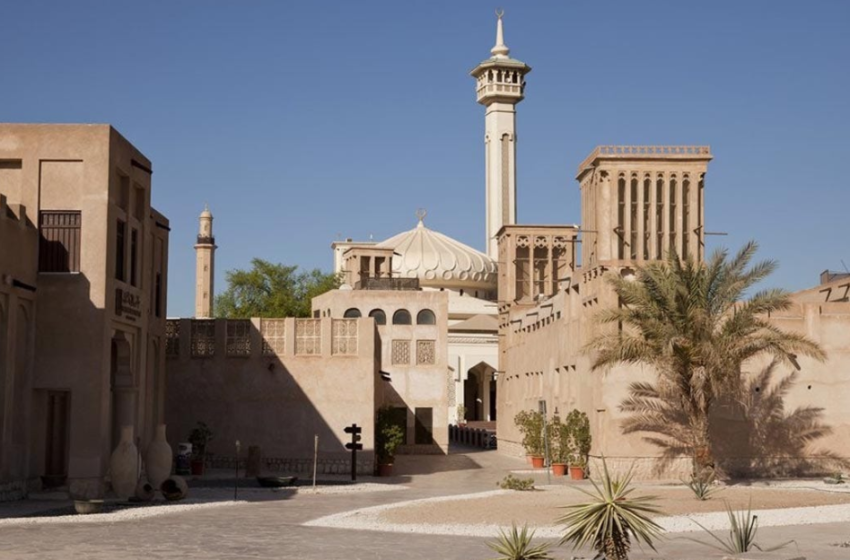
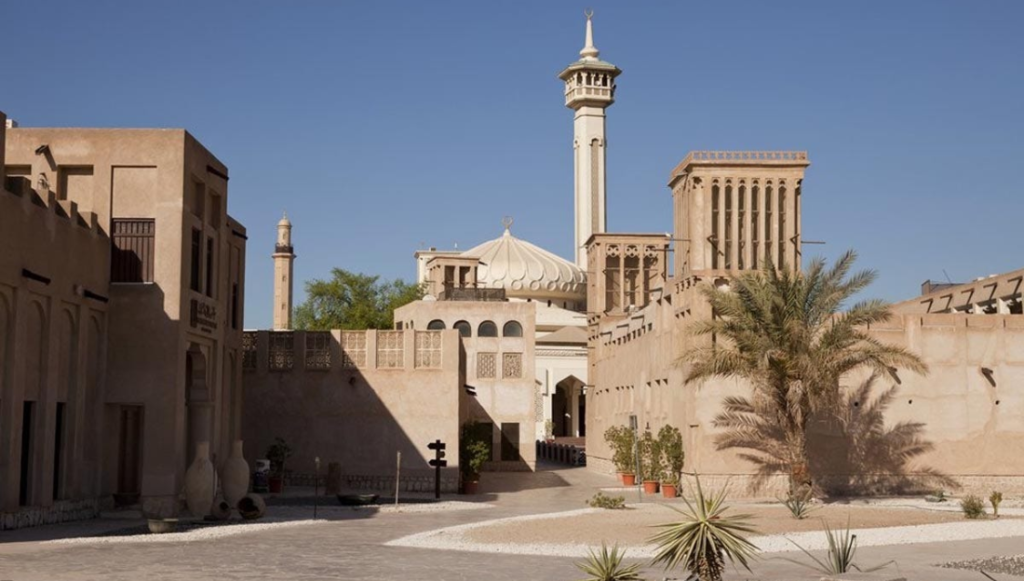
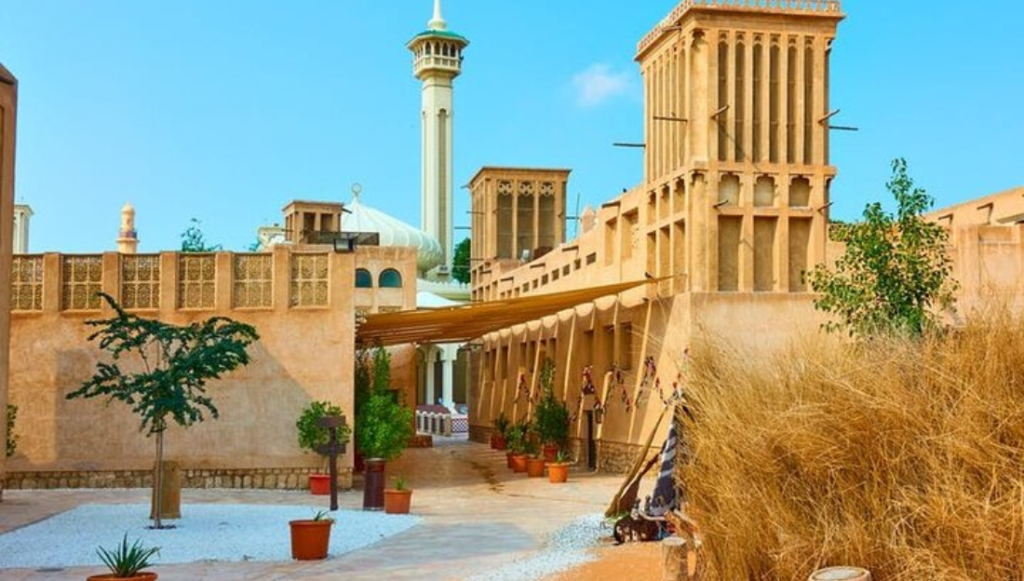
Among historic sites in Dubai, Al Fahidi Historical District—also known as Al Bastakiya—stands out as one of the most important cultural spots to visit. For example, it helps you understand what pre-oil Dubai was really like. Furthermore, Persian merchants built this neighbourhood in the late 1890s. In addition, it shows exactly how people lived back then, before air conditioning changed life in the Gulf.
Things you start noticing:
- Streets narrow for shade, not charm – Urban planning focused on survival
- Wind towers designed to survive summers without electricity – These traditional wind towers, known locally as barjeel, represent one of the most effective architectural responses to desert survival ever developed in the Gulf, dropping temperatures by 10-15 degrees
- Homes built from coral stone and palm wood – Materials sourced from what existed locally
Culturally, this area matters because it shows how people adapted to their environment instead of trying to dominate it. Furthermore, Al Fahidi stands out as one of Dubai’s most important historic sites. But it never demands attention. Ultimately, it rewards those who show patience.
Within the district, don’t miss:
- Sheikh Mohammed Centre for Cultural Understanding
- Coffee Museum – 3 AED entry, free Arabic coffee samples
- Coin Museum – 5 AED entry, traces trade history through currency
- XVA Art Hotel – Gallery and cafe with contemporary Middle Eastern art
Among all Dubai heritage experiences, this is where the city first feels honest. The district serves as the perfect introduction to history tours in Dubai, offering context for everything else you’ll see in the modern metropolis.
Pro Tip: Visit these historic sites in Dubai early morning (7-9 am) or late afternoon (4-6 pm) to avoid midday heat and catch the best light for photography.
2. Take a Dubai Creek Abra Ride, One of the Most Authentic Traditional Dubai Activities
Departure Points: Deira Old Souk Station or Bur Dubai Station
Operating Hours: 24 hours daily
Cost: 1 AED per person (public abra) or 100-150 AED/hour (private charter)
Duration: 5-10 minutes crossing; private charters are flexible
How to Get There: Al Fahidi Metro, then a 10-minute walk to the creek
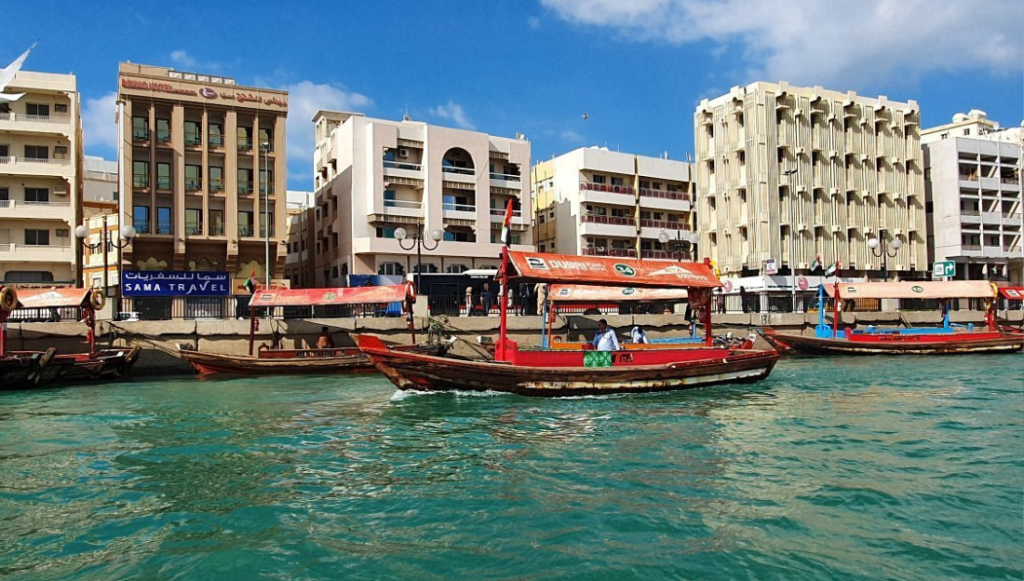
Among traditional Dubai activities, the Dubai Creek abra ride remains one of the most authentic and accessible cultural experiences in Dubai. You don’t need a tour guide for this traditional Dubai activity.
Walk to the creek. Pay a few dirhams. Step into a wooden boat that has barely changed in decades. Sit where there’s space. This is public transport, not a tourist attraction—though it happens to be both.
Although a Dubai Creek abra ride lasts only a few minutes, it squeezes centuries of trade, migration, and daily routines into one simple crossing. As workers commute across the water, shop owners move between districts. Meanwhile, tourists sit quietly, unsure if they are intruding or truly participating.
This is why it works as one of the most authentic Emirati experiences.
The creek—or Khor Dubai—served as Dubai’s economic lifeline for centuries. Dhows brought goods from Iran, India, and East Africa. Trading families built their fortunes here. The abra boats facilitated the exchange that made Dubai possible.
What Makes the Dubai Creek Abra Ride Special:
- Still used by thousands of daily commuters – You’re using actual public transport
- Unchanged design for over 100 years – These wooden boats are nearly identical to those from the 1900s
- Views of both old and new Dubai – See wind towers and skyscrapers in one panorama
- Dubai’s cheapest cultural experience – 1 AED (about $0.27) for an authentic moment
Among traditional Dubai activities, this remains one of the most culturally intact experiences. The creek connects you physically and metaphorically to Dubai’s trading past—and reminds you that before oil, water was everything.
Insider Tip: Take the abra from Bur Dubai to Deira in the late afternoon, then explore Deira’s spice and gold souks on the other side. Return at sunset for beautiful light across the water.
3. Ask Questions at the Sheikh Mohammed Centre for Cultural Understanding in Dubai
Location: Al Fahidi Historical Neighbourhood
Hours: Saturday-Thursday 9 am-5 pm (closed Friday)
Cost: Cultural breakfast 85 AED, lunch 85 AED, dinner 120 AED
Booking: Required at least 24 hours in advance
Duration: 2-3 hours, including a meal and discussion
Most visitors carry questions they’re afraid to ask.
About religion. Clothing. Family roles. Daily customs. Gender dynamics. The Sheikh Mohammed Centre for Cultural Understanding exists specifically to make those questions welcome.
You sit on the floor. You share traditional food. Someone—usually an Emirati host—explains things plainly, without defensiveness or theatre. This is where you can ask about topics that feel awkward in other contexts: Why do women wear abayas? What is Ramadan really like? How do modern Emiratis balance tradition and change?
What makes this one of the most authentic Emirati experiences:
- No question is treated as offensive – The entire purpose is open dialogue
- Cultural context is explained, not justified – Hosts present information without feeling defensive
- Conversations feel human, not instructional – This is dialogue, not a lecture
- You eat together – Breaking bread creates a genuine connection
If you want to understand Emirati culture in Dubai without guessing or assuming, then this is one of the few spaces designed exactly for that. For instance, the centre offers multiple programs.
Programs Available:
- Cultural Breakfast (85 AED): Traditional Emirati breakfast with cultural discussion
- Cultural Lunch (85 AED): Includes mosque visit and lunch
- Cultural Dinner (120 AED): Extended evening session with traditional coffee ceremony
- Mosque Tours (Free): Friday morning tours of Jumeirah Mosque with Q&A
The centre represents what cultural experiences in Dubai should be: honest, accessible, and focused on mutual understanding rather than performance. Founded in 1998 with the motto “Open Doors, Open Minds,” it has welcomed over 300,000 visitors seeking genuine cultural exchange.
What You’ll Eat: Typical dishes include khameer (Emirati bread), balaleet (sweet and savoury vermicelli), chebab (pancakes with date syrup), and dates with Arabic coffee.
4. Let Traditional Souks in Deira and Bur Dubai Show You How Trade Works
Location: Deira area (Gold Souk, Spice Souk) and Bur Dubai (Textile Souk)
Hours: Saturday-Thursday 9 am-10 pm, Friday 4 pm-10 pm
Cost: Free to browse; prices negotiable
How to Get There: Al Ras Metro (Gold/Spice) or Al Fahidi Metro (Textile)
Time Needed: 2-4 hours across all three souks
Dubai did not grow wealthy by accident.
Before towers, there were markets. The Gold Souk, Spice Souk, and Textile Souk still operate on principles older than modern retail. Prices are discussed. Trust matters. Time is flexible. These Dubai souk experiences function as living museums of commerce.
These working markets are cultural places to visit in Dubai, not because they preserve history, but because they continue to practice it daily.
Spend an hour here, and you will notice:
- Sellers reading people, not screens – Eye contact, body language, and conversation matter more than inventory systems
- Conversations unfolding before transactions – Business happens through relationship, not just exchange
- Repeat customers are treated differently from tourists – Loyalty creates preferential pricing and access
- Tea offered before serious negotiation – Hospitality precedes commerce
These are not staged cultural places to visit in Dubai. They are working systems. Real Dubai souk experiences show how trade shaped the city’s rhythm long before branding and billboards arrived.
The Three Essential Souks:
Gold Souk (Deira)
380+ retailers selling 22-24k gold, with prices based on daily gold rates plus craftsmanship charges. This is one of the world’s largest gold markets. Don’t buy without negotiating—expect a 10-25% discount from initial prices.
Spice Souk (Deira)
Saffron, cardamom, dried limes, frankincense, and spices you can’t identify. Merchants explain uses and offer samples. Prices are roughly half what you’d pay in Western supermarkets. Ask for cooking recommendations.
Textile Souk (Bur Dubai)
Silks, pashminas, traditional fabrics, and materials from India, Iran, and beyond. This is where locals shop for special occasion clothes. The best cultural food experiences in Dubai often recommend buying traditional garments here for cultural dinners.
These souks represent Dubai heritage experiences that connect directly to the city’s identity as a crossroads of trade. The creek brought goods; the souks distributed them. This system made Dubai what it became.
5. Visit the Small Museums That Explain Dubai Heritage and Pre-Oil Life
Coffee Museum: Al Fahidi District | 10 am-5 pm daily | 3 AED | 30-45 mins
Camel Museum: Al Shindagha | 8 am-8 pm (Sat-Thu) | Free | 45-60 mins
Coin Museum: Al Fahidi District | 8 am-8 pm (Sat-Thu) | 5 AED | 30-45 mins
Naif Museum: Old Police Station, Deira | 8 am-2 pm (Sat-Thu) | 5 AED | 45 mins
Dubai’s smaller museums explain things quietly.
The Coffee Museum doesn’t rush you. The Camel Museum doesn’t try to entertain. The Coin Museum doesn’t assume prior knowledge. They focus on details most visitors skip—and in doing so, they add depth to your understanding of Emirati culture in Dubai.
Why they matter for understanding Dubai heritage:
Coffee Museum
Coffee tells the story of hospitality and gathering. The museum explains how Arabic coffee (gahwa) differs from Western coffee—lighter roast, spiced with cardamom, served in small cups. You’ll learn the cultural significance of coffee in Bedouin culture, where refusing coffee is a serious social error.
What you’ll see: Antique coffee pots, roasting equipment, brewing methods from Yemen to Ethiopia, and the ritual of coffee preparation. Free samples included.
Camel Museum
Camels explain survival and status in pre-modern Emirates. Before oil, camels were currency, transport, food source, and social status marker. This museum covers breeding, racing, milk production, and the animal’s role in Bedouin traditions.
Coin Museum
Coins trace trade routes and influence. The collection shows currency from ancient Rome to modern UAE dirhams, illustrating Dubai’s position in global trade networks for millennia. You’ll see Persian coins, Indian rupees, Maria Theresa thalers, and the evolution to today’s currency.
Naif Museum
Housed in Dubai’s original police station (built 1939), this museum shows law enforcement history and daily life in pre-oil Dubai through photographs, documents, and artifacts.
These spaces ground Dubai museums and heritage in everyday life. They add texture to history tours in Dubai without overwhelming you with spectacle. While large museums try to cover everything, these intimate spaces go deep on single subjects—and that focus makes them valuable for understanding how Dubai heritage experiences connect to larger cultural patterns.
Money-Saving Tip: All these museums cost less combined (13 AED total) than one coffee at Dubai Mall. Allocate one afternoon to visit all four in the Al Fahidi area.
6. Eat Traditional Emirati Food for Real Cultural Food Experiences in Dubai
Recommended Spots:
- Al Fanar Restaurant & Cafe | Multiple locations | 50-120 AED per person
- Arabian Tea House | Al Fahidi | 60-100 AED per person
- Seven Sands | JBR Beach | 80-150 AED per person
- Logma | Multiple locations | 40-80 AED per person
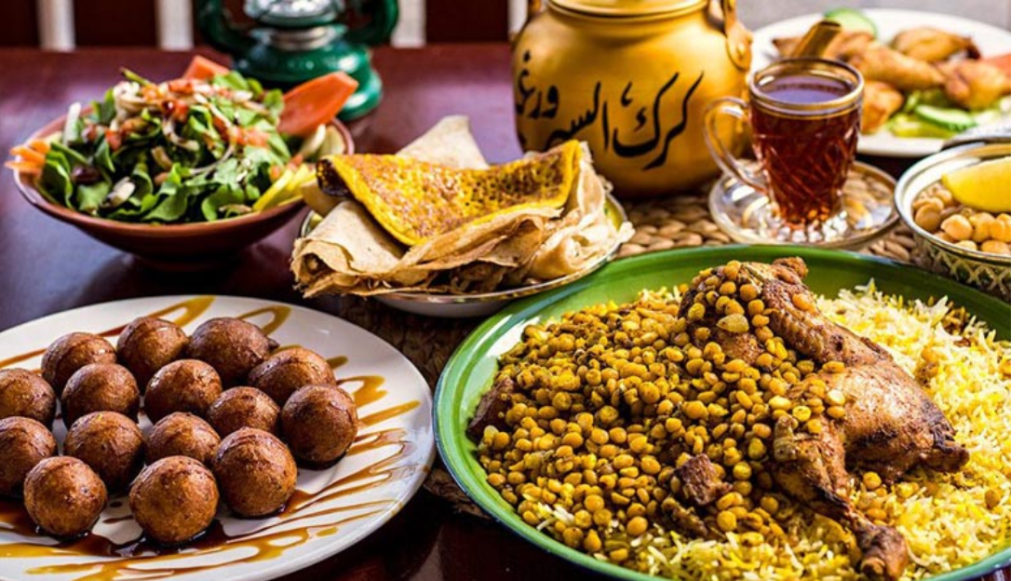
Traditional Emirati food doesn’t try to impress. It tries to feed.
Emirati cuisine developed around scarcity, community, and shared responsibility. Recipes were shaped by climate and trade, not trends. The food reflects a desert environment where preservation mattered, where sharing was survival, and where hospitality was law.
Dishes that define cultural food experiences in Dubai:
Al Harees – Slow and ceremonial
Wheat and meat are slow-cooked for hours until they become a porridge-like consistency. Traditionally prepared in clay pots buried underground. Served during Ramadan and special occasions. The cooking time (sometimes 12+ hours) makes it a communal effort.
Machboos – Fragrant and filling
The UAE’s national dish. Spiced rice with meat (chicken, lamb, or fish), similar to biryani but with distinct Gulf spicing: dried limes, cardamom, cinnamon, and saffron. Each family has slight variations. This is everyday food, not a special occasion.
Luqaimat – Served when people gather, not when dessert is expected
Sweet dumplings fried and dripped with date syrup. Crispy outside, airy inside. These appear at celebrations, after breaking fast during Ramadan, and when guests visit. Making them is a social activity.
Other Essential Dishes:
- Khameer – Thick bread with date filling, eaten for breakfast
- Balaleet – Sweet vermicelli with eggs, combining savoury and sweet
- Harees – Similar to al harees but with a coarser texture
- Madrooba – Salted fish with rice, showing coastal influence
- Jasheed – Baby shark preparation (less common but traditional)
Food is culture here because meals are rarely rushed and rarely individual. Cultural food experiences in Dubai make more sense when you eat where conversation matters as much as flavour. Traditional dining happens on the floor, dishes are shared from communal plates, and eating with your right hand is standard.
The best traditional Emirati food experiences happen in contexts where locals actually eat—not just restaurants designed for tourists. The Sheikh Mohammed Centre’s cultural meals provide this authenticity, as do invitations to Emirati homes (possible through hospitality programs or personal connections).
7. Spend an Afternoon at Alserkal Avenue, the Heart of Art and Culture in Dubai

Location: Al Quoz Industrial Area 1, Street 8
Hours: Gallery hours vary; typically 10 am-7 pm Tue-Sat
Cost: Free entry to most galleries; some exhibitions 20-50 AED
How to Get There: Taxi/Uber (no nearby metro), or Business Bay Metro + taxi
Time Needed: 2-4 hours
Best Time: Saturday afternoons when most galleries are open
Alserkal Avenue confuses people who expect heritage to look old.
Set inside converted warehouses in the industrial Al Quoz district, it represents the contemporary side of art and culture in Dubai. One shaped by experimentation, debate, and modern identity. The contemporary Dubai art galleries are unglamorous, industrial, and deliberately anti-commercial.
This is where Dubai art galleries stop explaining themselves and start expressing themselves. Culture here is not preserved. It is negotiated. Over 40 art galleries, design studios, performance spaces, and creative businesses occupy these warehouses.
These Dubai art galleries contribute to the city’s evolving cultural narrative beyond heritage spaces.
Notable Spaces for Art and Culture in Dubai:
The Third Line – Represents emerging and established Middle Eastern artists
Carbon 12 – Contemporary art from Gulf and international artists
Ayyam Gallery – Focus on Syrian and Lebanese contemporary art
A4 Space – Non-profit platform for experimental art and performance
Cinema Akil – Independent cinema showing art films and regional productions
The Fridge – Creative hub with studios, exhibitions, workshops
Why Alserkal Matters:
Before Alserkal Avenue opened in 2007, Dubai’s art scene barely existed publicly. This space gave artists, curators, and cultural producers a physical home. It’s where young Emiratis explore contemporary identity, where regional artists find platforms, and where Arabic art exhibitions happen without commercial pressure.
The avenue also hosts cultural workshops in Dubai—photography, printmaking, ceramics, and design thinking. Unlike heritage workshops teaching traditional crafts, these focus on contemporary creative practice.
Events Worth Timing Your Visit For:
- Alserkal Avenue Gallery Night (monthly) – All galleries open late with openings and performances
- Sikka Art Fair (March) – Dubai’s homegrown art festival
- Quoz Arts Fest (November-December) – Outdoor art and performances
This represents cultural festivals in Dubai at their most experimental. The warehouse aesthetic—exposed concrete, industrial doors, minimal intervention—intentionally contrasts with Dubai’s polished commercial spaces. It signals that culture here doesn’t need to be expensive or glamorous to matter.
8. Attend Cultural Festivals in Dubai That Locals Actually Attend
Major Annual Cultural Festivals in Dubai:
SIKKA Art Fair (March) | Al Fahidi District | Free
Dubai’s original art festival, focused on Emirati and regional artists. Unlike commercial art fairs, SIKKA remains community-oriented and accessible.
Dubai Design Week (November) | Multiple venues | Free-50 AED
Contemporary design from the region, including furniture, fashion, and urban planning. The outdoor Downtown Design fair showcases Gulf design talent.
Ramadan Gatherings (April-May, varies by Islamic calendar) | Citywide | Free
Public iftars (breaking fast meals), special prayers, night markets, and cultural programs. Hotels and cultural centers host community events open to respectful non-Muslim visitors.
National Day (December 2) | Citywide | Free
UAE National Day celebrations show Emirati pride—heritage performances, traditional dress, flag displays, fireworks. This is when you’ll see the most public expressions of national identity.
Quoz Arts Fest (November-December) | Al Quoz | Free
Outdoor art installations, performances, and workshops in the industrial art district. More experimental than mainstream cultural events.
These cultural festivals in Dubai and Arabic art exhibitions are rare moments when Dubai’s diverse population—Emiratis, long-term residents, and newcomers—gather around shared cultural moments. Even temporary exhibitions become conversation starters about identity, tradition, and change.
9. Experience the Desert to Understand Bedouin Culture and Emirati Traditions
The desert is often packaged poorly.
Strip away the music, lights, and schedules, and Bedouin culture begins to make sense. Storytelling, hospitality, and survival are not romantic ideas here. They are practical ones. The desert shaped Emirati identity more than any other environment—learning its lessons matters for understanding the culture.
Meaningful Bedouin culture experiences focus on:
Oral History and Storytelling
Before literacy became widespread, stories carried knowledge, laws, entertainment, and identity. Desert guides who share family stories aren’t performing—they’re doing what their grandfathers did: passing on knowledge through narrative.
Music Rooted in Memory
Traditional music—ayala war dances, al-razfa sword dances, al-taghrooda desert poetry songs—developed in desert camps. These weren’t entertainment; they were social cohesion, celebration, and cultural memory. Good operators provide context, not just performance.
Hospitality Without Excess
Bedouin hospitality laws are absolute. A stranger in the desert receives food, water, and shelter for three days, no questions asked. This wasn’t generosity—it was survival. Modern Emirati hospitality culture descends directly from these practices.
What Real Desert Experiences Include:
- Falconry demonstrations – Hunting with trained falcons was essential for survival and remains a protected cultural practice
- Traditional coffee ceremony – Gahwa served with dates, prepared properly with cardamom
- Desert navigation techniques – Reading stars, wind patterns, animal tracks
- Bedouin camp setup – Understanding how camps were portable, practical, and communal
- Camel interaction – Explaining the animal’s role in desert survival
This is where Emirati traditions feel grounded rather than symbolic. The desert wasn’t a vacation destination—it was home, workspace, and a survival challenge. Understanding this context transforms touristy “desert safari” experiences into genuine cultural experiences in Dubai.
The best desert experiences are quieter than expected. They ask you to notice details—wind patterns, temperature changes, the work required for simple tasks without modern infrastructure. This develops appreciation for how Emirati culture in Dubai adapted to one of Earth’s harshest environments.
10. Learn Slowly Through Cultural Workshops in Dubai
Arabic Calligraphy Workshops:
- Ductac Mall of the Emirates | 150-300 AED | 2-3 hours
- Alserkal Avenue (various studios) | 200-400 AED | 2-4 hours
- XVA Art Hotel | 250 AED | 2.5 hours | Includes refreshments
Culture changes when you touch it.
Arabic calligraphy workshops and craft sessions force you to slow down. Precision matters. Mistakes show. You stop consuming and start participating. This shift—from observer to participant—fundamentally changes how you understand culture.
Why cultural workshops in Dubai create a deeper understanding:
Context Through Process
When you struggle to hold the reed pen correctly, you understand why calligraphers train for years. When you learn that each letter has specific proportions, you appreciate that Arabic calligraphy art isn’t just decoration—it’s a disciplined art form with rules older than printing presses.
Respect Through Effort
Failing at something creates humility. Watching an expert work after you’ve tried builds genuine admiration. This is why workshops succeed where passive observation doesn’t.
Understanding Through Repetition
Arabic calligraphy requires practising the same letter dozens of times. This repetition mirrors how traditional skills were passed down through patient practice under guidance. The experience connects you to centuries of artistic tradition.
Good cultural workshops in Dubai don’t just teach technique. They explain cultural context—why this art form developed, what it meant to different generations, and how it’s changing today. You might learn:
- How calligraphy preserves religious texts in pre-printing societies
- Why Arabic is written right-to-left and how this affects design
- The difference between decorative and functional scripts
- How contemporary artists blend traditional and modern approaches
Other Hands-On Experiences Worth Seeking:
- Henna Application Workshops – Learn the cultural significance of henna in celebrations, proper application technique, and traditional designs
- Traditional Coffee Preparation – Understanding the ritual of preparing and serving gahwa (Arabic coffee) with proper etiquette
- Pottery with Traditional Techniques – Some studios teach pre-modern pottery methods used in the Gulf
These cultural workshops in Dubai create memories differently from passive tourism. You remember what you made, what you failed at, what your hands learned. That embodied memory lasts longer than photographs.
Practical Tips for Cultural Experiences in Dubai
Best Times to Visit for Cultural Experiences
Peak Cultural Season: October through April
- Comfortable temperatures for outdoor activities
- Most festivals and events occur during these months
- Heritage sites are more pleasant to explore
Ramadan (April-May, varies):
- Unique cultural opportunity to experience Islamic practices
- Museums and attractions have reduced hours
- Public eating/drinking is restricted during daylight
- Iftar (breaking fast) meals are available to non-Muslims in many hotels and cultural centers
- Special night markets and cultural programs
Summer (June-September):
- Extreme heat limits outdoor heritage site visits
- Focus on indoor cultural experiences (museums, workshops, galleries)
- Fewer crowds, lower prices
- Dubai Summer Surprises festival offers some cultural programming
After cultural immersion, add excitement with the Adventure Activities in Dubai with Prices | Complete Cost & Activity Guide—perfect for budgeting thrills alongside your heritage plans.
Final Thoughts: Let Dubai Explain Itself
The most meaningful cultural experiences in Dubai happen when you stop trying to extract value and, instead, start paying close attention. However, the city opens up slowly. When it does, then it feels truly real.
This isn’t about seeing everything. It’s about understanding something.
Dubai cultural experiences reward patience. They ask you to sit on floors, ask uncomfortable questions, fail at calligraphy, and spend time without a clear purpose. They challenge the assumption that Dubai is only skyscrapers and shopping—and show you a city shaped by desert survival, trading networks, Islamic tradition, and rapid adaptation.
The heritage districts, traditional food, souks, workshops, and conversations complement Dubai’s modern face. These experiences come together to show how a small fishing village turned into a global city in just seven decades. The journey is explained in a way that helps readers understand Dubai’s rapid growth and development. Beneath all this change, the same values—hospitality, resilience, and practical thinking—remain strong.
That’s where you’ll find the best cultural experiences in Dubai. Actually, they don’t reside in headlines or attractions. Instead, they emerge in those special moments when the city’s true character comes to life.
Frequently Asked Questions
A: The best cultural things to do in Dubai for first-time visitors include walking through the Al Fahidi Historical District, taking a Dubai Creek abra ride, visiting traditional souks in Deira and Bur Dubai, experiencing Emirati food, and attending a cultural session at the Sheikh Mohammed Centre for Cultural Understanding. These experiences provide context to Dubai’s history, traditions, and daily life beyond modern attractions.
A: Yes, Dubai is an excellent destination for cultural travel, especially for visitors interested in heritage, trade history, and living traditions. Cultural experiences in Dubai span pre-oil neighbourhoods, Bedouin desert practices, traditional markets, Islamic architecture, and contemporary art spaces like Alserkal Avenue.
A: Authentic Emirati experiences include sharing a traditional Emirati meal, learning Arabic coffee etiquette, joining calligraphy or craft workshops, attending mosque tours, and participating in cultural discussions led by Emiratis. These activities allow respectful cultural immersion rather than surface-level sightseeing.
A: Authentic Emirati experiences include sharing a traditional Emirati meal, learning Arabic coffee etiquette, joining calligraphy or craft workshops, attending mosque tours, and participating in cultural discussions led by Emiratis. These activities allow respectful cultural immersion rather than surface-level sightseeing.
A: Old Dubai culture is best experienced in Al Fahidi (Al Bastakiya), Shindagha, Bur Dubai, and Deira. These areas contain historic sites in Dubai, such as wind tower houses, traditional souks, small museums, and Dubai Creek crossings that reflect everyday life before oil-driven development.
A: Yes. Most cultural places to visit in Dubai are open to non-Muslims, including heritage districts, museums, souks, and cultural centres. Mosque tours, such as those at the Jumeirah Mosque, are specifically designed to welcome visitors of all backgrounds and encourage open cultural dialogue.
A: The best time to enjoy cultural experiences in Dubai is from October to April. During this period, the weather stays comfortable, and most cultural festivals take place then. Additionally, Ramadan offers unique cultural opportunities; for instance, you can join community iftars, explore night markets, and also attend traditional gatherings.
A: Absolutely. Many traditional Dubai activities—such as walking historic neighbourhoods, riding public abras, browsing souks, and visiting small museums—can be done independently. These self-guided experiences often feel more authentic and allow slower, more meaningful engagement.
Last Updated on: February 3, 2026