How to Make Your Money Go Further When Planning a Holiday
- Travel
 Editorial Team
- 0
- 22 minutes read

Planning a holiday is exciting, but the costs can quickly add up. Flights, hotels, food, transport and activities can all take a large part of your budget if you do not plan ahead. Whether you are comparing flights and hotels on eDreams, looking for a good-value ferry journey, or choosing affordable activities, a few smart decisions can help you enjoy more without spending more than you can afford. The aim is not to make your holiday feel cheap, but to spend your money where it matters most.

A good holiday budget starts before you book anything. Instead of looking only at the cheapest headline price, think about the total cost of the trip. A flight may seem cheap until you add luggage and airport transfers, while a low-cost hotel may become more expensive after adding breakfast or parking. By checking these details early, you can make better choices and avoid unwanted costs later.
Set a Realistic Holiday Budget
The first step is to decide how much you can comfortably spend on your holiday. Think about the total amount available and then divide it between travel, accommodation, food, transport and activities. It is also wise to keep some money aside for unexpected costs.
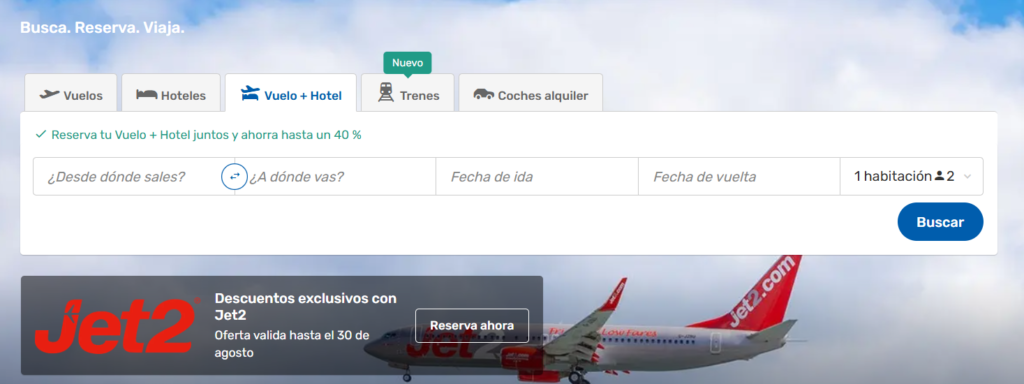
For example, you may decide that most of your budget will go towards transport and accommodation, while a smaller amount is kept for meals, sightseeing and shopping. Having these limits in place makes it easier to decide what you can afford when you start comparing options.
Do not forget about costs that happen before your trip. Travel insurance, passports, airport parking, new clothes and other holiday essentials can all affect your final budget. Adding these costs at the start gives you a much clearer picture of what your holiday will really cost.
Be Flexible With Your Travel Dates
One of the easiest ways to save money is to be flexible about when you travel. Prices can change depending on the day of the week, season, school holidays and local events.
If your plans allow it, check several dates before booking. Travelling a few days earlier or later may give you cheaper flights or accommodation. Even changing your departure time can sometimes make a difference.
Peak periods such as school holidays and bank holiday weekends are often more expensive because more people are travelling. If you do not need to travel during these busy periods, consider travelling during a quieter time. You may not only save money but also enjoy less crowded attractions and beaches.
Compare the Full Cost of Travel
It is easy to choose a travel option because it has the lowest advertised price. However, the cheapest starting price is not always the cheapest final price.
When comparing flights, check whether the ticket includes luggage, seat selection and other services you may need. You should also consider the cost of getting to and from the airport. A cheap flight from a distant airport may cost more overall if you need expensive transport or parking.
Travel comparison platforms such as eDreams can be useful when looking at different flight and travel options. Comparing several choices before booking can help you understand the prices available and choose an option that fits your plans and budget.
The same rule applies to hotels, car hire and other parts of your holiday. Always compare the amount you are likely to pay in total rather than focusing only on the first price you see.
Think About Where You Stay
Accommodation can take up a large part of your holiday budget, especially if you are travelling with family. Instead of choosing a hotel based only on its room price, consider what is included.
A slightly more expensive hotel could offer free breakfast, parking or Wi-Fi, which may save money elsewhere. On the other hand, a cheaper hotel may be better if you do not need these extras.
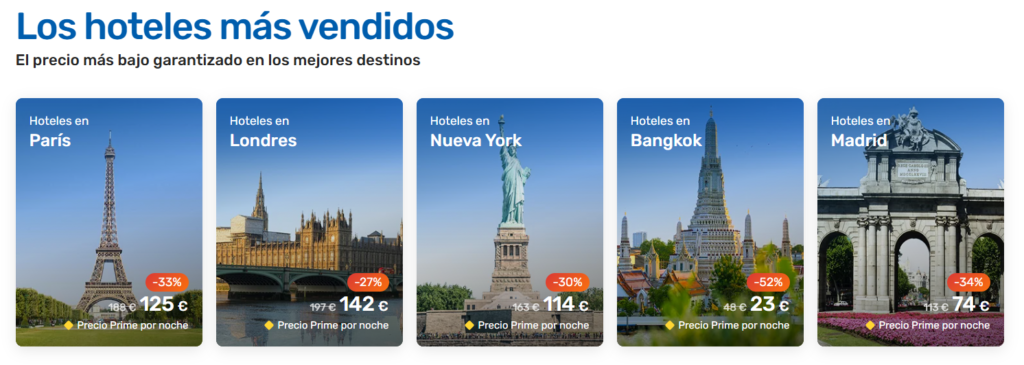
Location also matters. Staying directly in the centre of a popular tourist area may cost more than staying a little further away. If public transport is cheap and convenient, staying outside the main tourist area could reduce your accommodation costs without making it difficult to visit the places you want to see.
For longer holidays, compare hotels with apartments, holiday cottages and other self-catering options. Having access to a kitchen can help reduce food costs, particularly for families.
Plan Your Food Spending
Food is one of the easiest holiday costs to underestimate. A coffee here, a snack there and several restaurant meals can quickly add up.
You do not need to avoid restaurants to stay within your budget. Instead, decide which meals are worth spending more on and where you can choose a cheaper option.
For example, you could have breakfast at your accommodation, buy snacks from a local supermarket and enjoy a restaurant meal in the evening. If you are staying somewhere with cooking facilities, preparing a few meals yourself can make a noticeable difference to your spending.
It can also help to research restaurants before you travel. Tourist areas often have higher prices, so walking a little further from the busiest streets may give you more affordable choices.
Look for Free and Low-Cost Activities
A great holiday does not need to be filled with expensive attractions. Many destinations have free or low-cost things to do.
Beaches, parks, walking routes, public gardens, local markets and some museums can be enjoyed without spending much money. Before travelling, make a list of the attractions you really want to visit and check their prices.
If you are travelling with children, look for family tickets or free activities. Some attractions may also offer cheaper prices when tickets are purchased online or in advance.
The important thing is to choose activities that you will genuinely enjoy. Spending money simply because something is advertised as a “must-see” is not always the best use of your holiday budget.
Check for Discounts Before Booking
Before paying for a flight, hotel, attraction or activity, take a few minutes to check whether there is a genuine discount available.
Travel companies may run seasonal promotions, early-booking offers or special rates. Some attractions offer discounts for families, children, students or older travellers. You may also find savings through loyalty programmes or valid promotional codes.
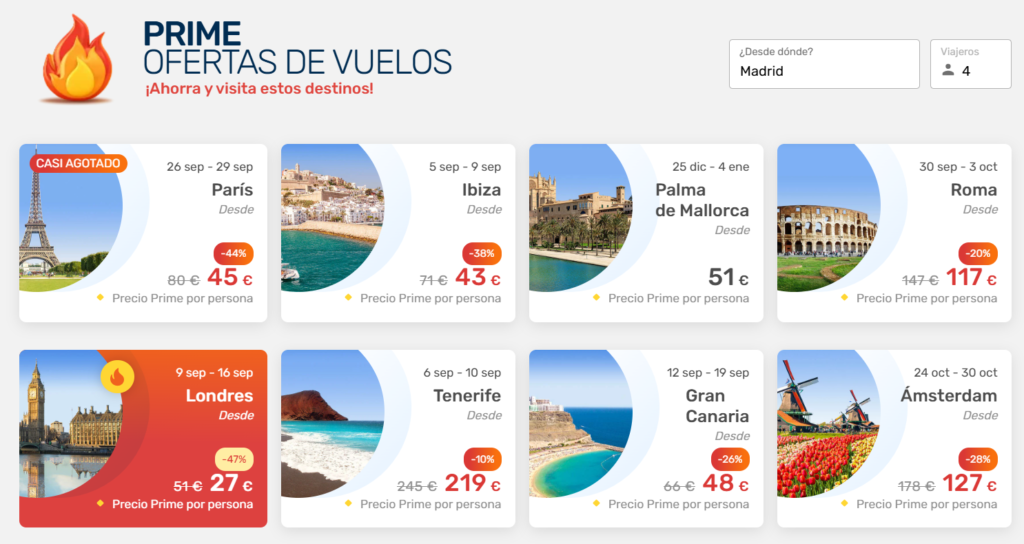
However, always check the terms of an offer. A discount is only useful if it applies to something you already planned to buy. Do not spend extra money just to qualify for a promotion.
Be Careful With Extra Charges
Small charges can become a large part of your holiday spending when they are added together. This is why it is important to read the booking details before you pay.
Check whether your price includes luggage, taxes, meals, transfers, parking and other services. Also check the rules for changing or cancelling your booking.
For example, a very cheap travel ticket may have strict conditions, while a slightly more expensive ticket may give you more flexibility. The right choice depends on your plans and how likely they are to change.
Taking a few minutes to read the terms can help you avoid surprises later.
Travel With a Simple Packing Plan
Good packing can also help you save money. Before leaving home, make a list of the things you actually need and check the luggage allowance for your chosen transport.
Taking too much can lead to extra baggage charges, while forgetting basic items can mean buying them at higher prices when you are away.
Pack clothes that can be used for more than one occasion and take useful everyday items where appropriate. If you are travelling as a family, planning everyone’s luggage together can also help you avoid taking unnecessary bags.
Consider the Cost of Getting Around
Your holiday budget should include local transport, not just the cost of reaching your destination.
Research how you will travel from the airport, ferry port or railway station to your accommodation. Depending on the destination, public transport may be much cheaper than taxis or private transfers.
If you plan to hire a car, compare the full rental cost, including fuel, insurance, parking and any additional charges. For some city breaks, you may find that you do not need a car at all.
Planning local transport before you leave can prevent expensive last-minute decisions.
Choose Experiences Over Unnecessary Shopping
It is easy to spend more than planned on souvenirs, clothes and other items while on holiday. Setting a shopping budget before you travel can help you stay in control.
Instead of buying something from every tourist shop, choose a few meaningful items that you genuinely want. You can also set aside a fixed amount for shopping and stop when you reach your limit.
Remember that the best part of a holiday is often the experience itself. A day exploring a new town, walking along the coast or enjoying a local meal can be more memorable than buying lots of things.
Keep Some Money for Unexpected Costs
Even a carefully planned holiday can have unexpected expenses. A delayed journey, lost item, extra transport cost or last-minute change can affect your budget.
For this reason, avoid spending every pound before you leave. Keep an emergency amount separate from your normal holiday spending.
You do not need a huge emergency fund for a short trip, but having some extra money available can give you peace of mind. If you do not need it, you can simply keep it for your next holiday.
Use a Simple Holiday Spending Plan
A simple spending plan can make it easier to control your money while travelling.
| Holiday Cost | How to Save |
|---|---|
| Flights or transport | Compare dates, times and providers |
| Accommodation | Compare total prices and what is included |
| Food | Mix restaurants with supermarket or self-catering meals |
| Activities | Look for free attractions and genuine discounts |
| Local transport | Compare public transport, taxis and car hire |
| Shopping | Set a fixed spending limit |
| Insurance | Compare cover and price before buying |
| Emergency costs | Keep some money separate from your daily budget |
You do not have to follow the cheapest option in every category. Instead, decide where you want to spend more and where you are happy to make savings. This gives you more control over your overall holiday budget.
Book With the Whole Trip in Mind
When making your bookings, try to think about how each decision affects the rest of your trip. A cheaper flight may arrive at an inconvenient time, which could mean paying more for a taxi. A cheaper hotel may be far from the attractions, increasing your daily transport costs.
This is why comparing the whole trip is more useful than comparing individual prices.
eDreams can be one of the places travellers use to compare travel options, including flights and other holiday services. Taking time to compare the available choices can help you find an option that works for both your plans and your budget.
Final Thoughts
Making your money go further does not mean removing all the fun from your holiday. It means making careful choices about where your money goes. Start with a realistic budget, compare the full cost of transport and accommodation, choose your dates carefully and plan your food and activities before you travel.
It is also worth checking for genuine discounts and understanding any extra charges before booking. Simple steps such as packing carefully, using public transport and setting a shopping limit can save money once you are away.
Most importantly, do not feel that you have to choose the cheapest option every time. A good holiday budget should give you enough flexibility to enjoy the things that matter to you while avoiding spending money on things you do not need.
Frequently Asked Questions
1. What is the best way to save money on a holiday?
Start by setting a budget and comparing the total cost of transport, accommodation, food and activities before booking.
2. Does changing travel dates really save money?
Yes, being flexible with your dates can give you access to different prices, especially outside busy travel periods.
3. How can I reduce hotel costs?
Compare several hotels, check what is included and consider staying slightly outside the main tourist area if transport is convenient.
4. Should I book travel as early as possible?
Booking early can give you more choice and sometimes better prices, but prices vary. Compare your options before booking.
5. How can I spend less on food while travelling?
Mix restaurant meals with supermarket food, simple breakfasts and self-catering where possible.
6. How much extra money should I keep for emergencies?
There is no single amount for everyone. Keep an amount you can comfortably afford and separate it from your normal daily holiday budget.
Last Updated on: August 27, 2026